At a glance
External window sills help drain rainwater away from the window and wall while finishing the opening visually. Steel, PVC, aluminium, ceramic, timber and stone options differ in appearance, upkeep, weight and installed cost. Coated steel is a common economical choice, but the most suitable sill depends on the window detail and the building. This guide compares the main materials, their practical limitations and the value of accurate measurement and fitting. Colour and price matter, yet they should be considered alongside drainage, joints and secure installation rather than treated as the only reasons to choose one product over another.
Drainage, appearance and practical use
A correctly detailed sill directs rainwater away from the opening and helps protect the wall and frame, particularly a timber frame. Its colour can also connect the window, façade and roof into a coherent design.
If flowerpots are planned, consider their weight and how they will be secured. A decorative forged rail or a simple stainless-steel restraint must be properly designed and fixed; it is not a guarantee against falling objects in every wind condition. The sill should not be treated as an unrestricted storage shelf, and its drainage function must remain clear.
GET A QUOTE FOR FLASHINGS!
Main types of external sill
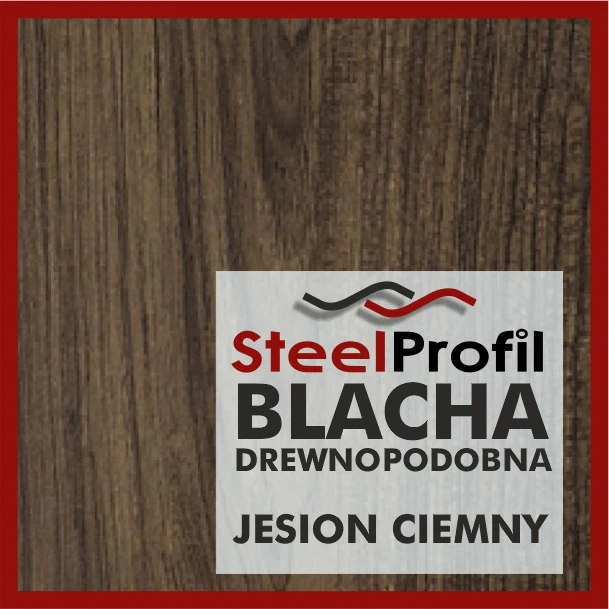
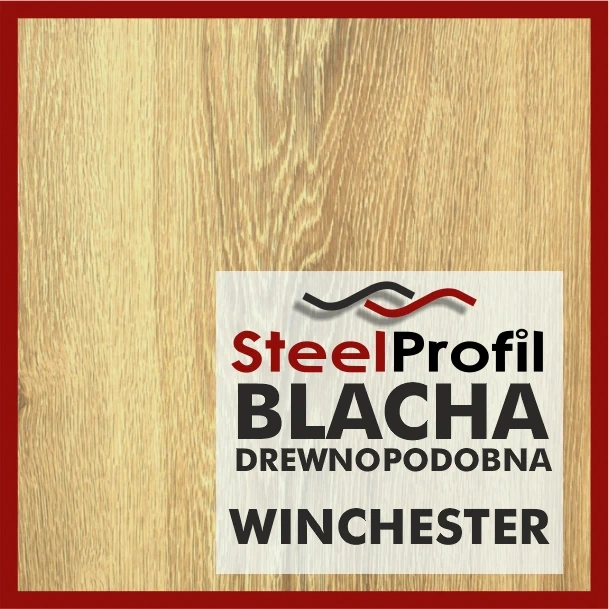
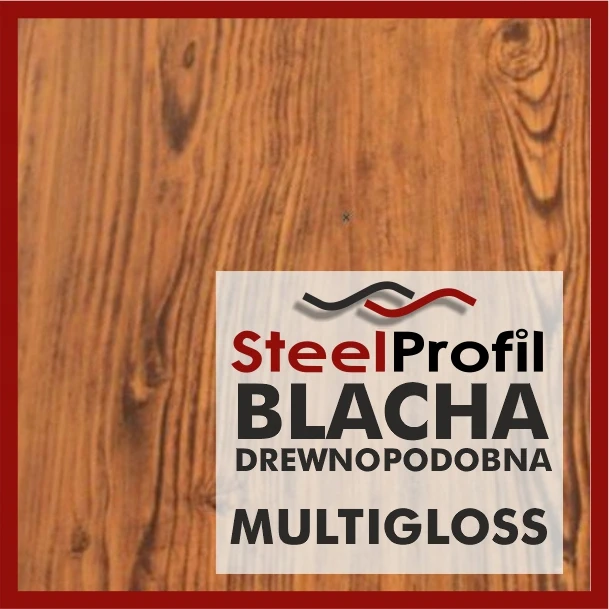
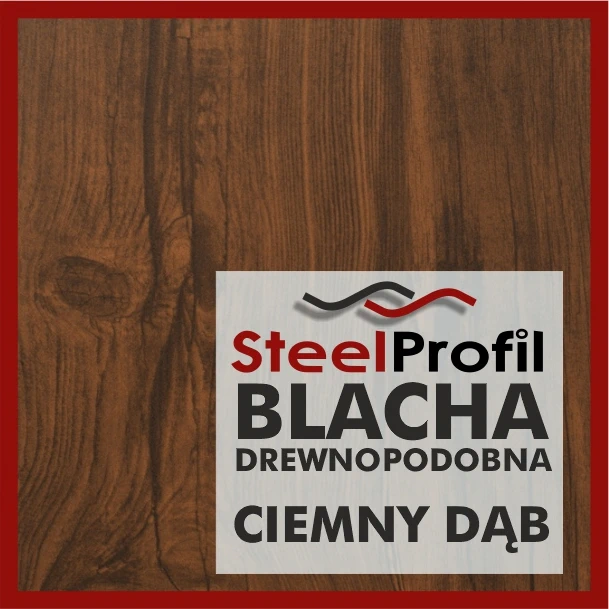
- Coated steel: a common economical option, often made to the measured opening. Protective and coloured finishes provide a broad choice; less common colours may cost more. Rain and drips can be audible. Durability depends on the finish and installation details.
- PVC: plastic sills offer many colours and can be quieter in rain. Compare the actual product’s durability and exposure requirements rather than treating all PVC sills alike.
- Aluminium: a lightweight metal option with its own corrosion and finish characteristics. Thermal movement must be accommodated to avoid distortion; greater service life is not automatic merely because the material is aluminium.
- Ceramic: clinker units, tiles or purpose-made pieces provide a distinctive finish. Weight, cost and secure fixing need attention so that pieces cannot loosen and fall.
- Timber: it can coordinate with internal sills and joinery, but outdoor exposure requires regular protective maintenance.
- Granite and other stone: varied stone types and matt, polished or split finishes offer a premium appearance. Matching internal sills may also be possible. Cost, weight and the specific stone need to be considered.

Choosing and ordering the sill
Each material has advantages and limitations. Made-to-measure steel sills are widely used because they combine accessible pricing, colour choice and straightforward ordering. They can be supplied finished or fabricated by a suitable professional, but accurate dimensions and correct fitting are essential in either case.
Measure the opening and agree the details with the installer before ordering. Water drainage, joints, support and the protective finish determine whether the sill performs well. No material should be promised decades without attention under every weather condition.
Ordering a correctly sized finished sill from a specialist can simplify the work and reduce adjustments on site. Compare that complete service with the cost and practicalities of making the sill at the building site.