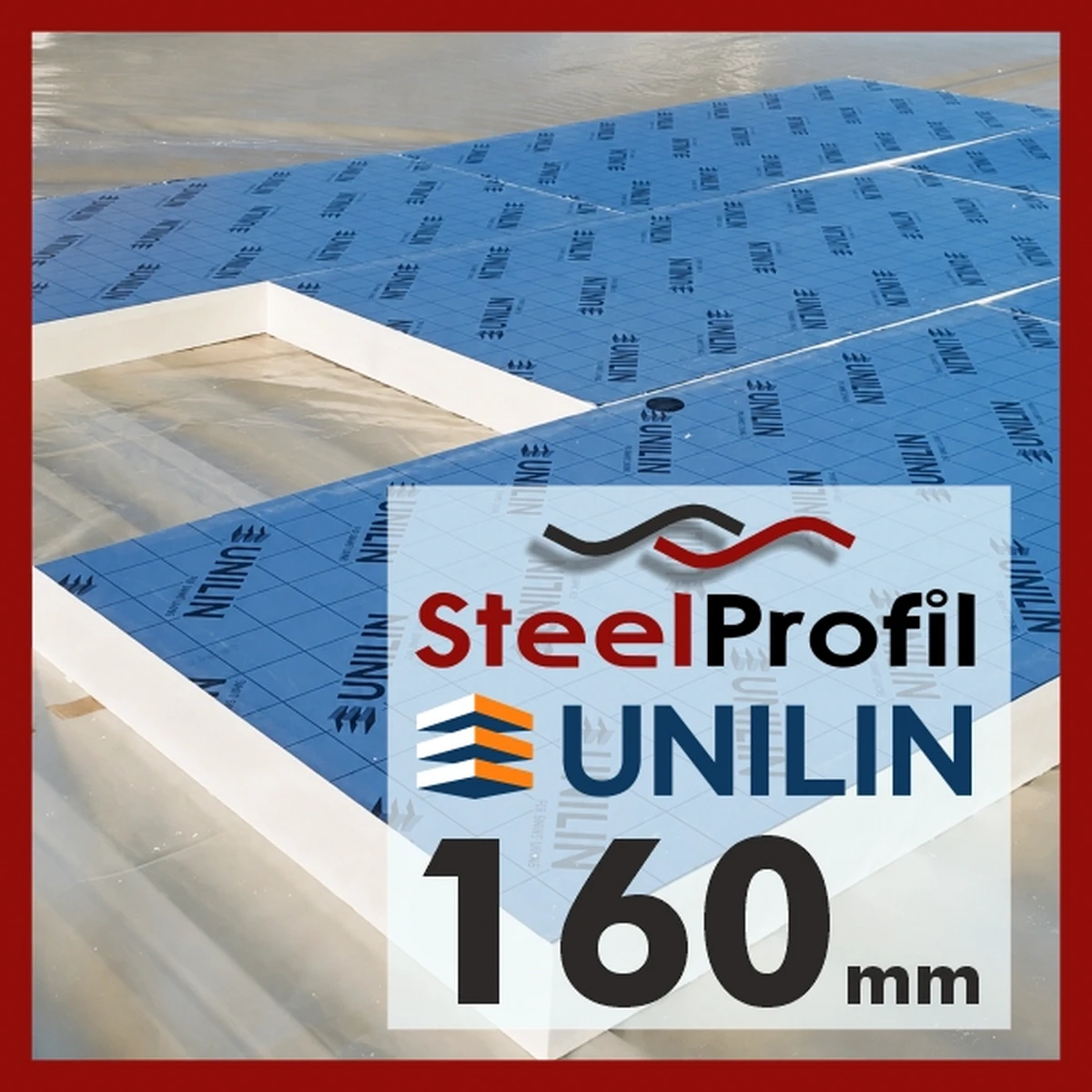



At a glance
PIR insulation can be a practical choice where its declared thermal performance, thickness and application match the building. Cost-effectiveness depends on the complete installed solution and the energy use it can realistically reduce. A low conductivity or a higher purchase price alone does not prove a shorter payback period. This guide compares material properties, suitable applications, manufacturing stages and project costs. It also separates product characteristics from whole-building outcomes: no universal 50% energy saving, guaranteed increase in property value or identical fire performance follows simply from choosing a board described as PIR.
Properties to compare
PIR boards can have a lower declared thermal conductivity than some other insulation products. Compare the actual declarations and thicknesses; the difference is not universally a factor of two.
Low weight and rigidity can be useful during handling and installation. Compressive performance, chemical compatibility, facing and water absorption vary by product. Resistance to some moisture exposure does not make every board waterproof.
Choose a product for the application
There are PIR products for specified roof, wall and floor systems. Foundations, terraces and balconies impose particular moisture, loading and detailing requirements; a generic board is not automatically suitable for all of them.
Fire behaviour must be established from the product and assembly documentation. Charring of rigid foam does not by itself demonstrate non-combustibility, a required fire-resistance period or structural integrity of the complete construction.
GET A QUOTE FOR INSULATION BOARDS!
Compare installed costs and likely savings
Include the material, transport, waste, fixings or adhesives, joint treatment, protective layers and labour. Where space is constrained, a thinner suitable insulation layer may have practical value, but the complete design still governs the result.
Energy savings depend on the initial insulation, heated area, climate, ventilation, heating system and use. The source article’s unsupported claim of savings of up to 50% is not a prediction for a particular building. Use a project-specific comparison to estimate energy demand and payback.
Compare alternatives at the required performance, rather than only at equal thickness or the cheapest price per board. A more expensive product can be worthwhile in one project and unnecessary in another.
Improved energy performance may be relevant to buyers or tenants, but it does not guarantee a fixed increase in property value. Environmental benefits also depend on the complete life cycle and actual energy reduction, not the material name alone.
How PIR boards are produced
PIR is a rigid polyisocyanurate foam. Its chemistry differs from a description of ordinary polyurethane alone; the final properties depend on the formulation and production process.
- Raw materials and formulation: reactive components and the required processing additives are prepared for the specified foam.
- Reaction and foaming: the mixture reacts and expands to form the cellular material. This is not a powder-sintering process.
- Forming and facings: the product is formed with the facings appropriate to its intended use. Production arrangements vary by board type.
- Curing and cutting: the material is stabilised and cut to specified dimensions.
- Product verification: the declared properties, tolerances and intended applications are checked for the finished range.
Facings may use different foil, glass-based or other layers. Their functions and compatibility must be read from the actual product documentation, rather than assuming that every facing adds the same mechanical or moisture performance.

Make the choice for the actual building
PIR is one option alongside EPS, XPS, mineral wool and other insulation systems. Its compact thermal performance can be useful, while other requirements may favour a different product.
Specify the necessary resistance, loading, moisture and fire details, then compare full installed costs. Reliable fitting and junction design are essential whichever material is chosen.
A suitable insulation upgrade can reduce energy demand and improve comfort. The value of that investment should be established from the building and its use, without universal claims of the highest strength, guaranteed savings or maintenance-free performance.