


Metal roofing includes trapezoidal steel sheets, tile-effect sheets and standing-seam systems, each with its own geometry and installation requirements. Selecting a covering involves more than choosing a colour: check the permitted roof pitch, substrate, sheet thickness, corrosion protection, coating and available lengths for the specific product. General pitch figures cannot be applied to every profile or joint arrangement. The original article compares common formats and gives examples of sheet thickness and metallic coating mass. This guide retains those examples while explaining their limits, so they are used for comparison rather than as universal design rules.
Main metal-roofing formats
- Trapezoidal steel sheets: profiled sheets used on roofs and façades. Galvanized unpainted material is common on simpler structures; additional coatings provide colour and further surface protection. The source’s 5–13° range must not be treated as a universal roof-pitch limit. Suitability depends on the actual profile, joints and installation instructions.
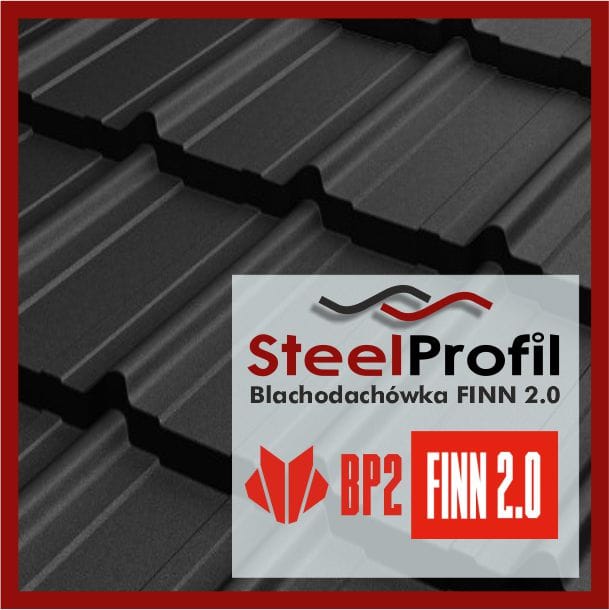
- Tile-effect roofing sheets: metal sheets shaped to resemble tiles. The source mentions 13° and, for some systems, 9° as examples. Neither value applies to every product: use the chosen model’s declared minimum pitch and details.
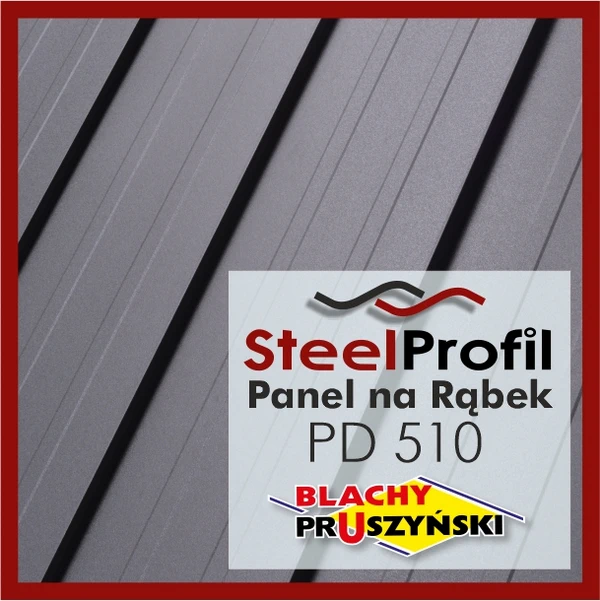
- Standing-seam roofing: available in formed-seam and prefabricated panel formats, including click systems. The seam geometry and fixing method are part of the system specification.
Each format has advantages, but the correct choice depends on the particular roof.
Choose a product, not just a manufacturer
Many Polish and international manufacturers supply metal roofing. A manufacturer’s reputation is useful background, but compare the basic properties and documentation of the actual sheet or panel you intend to buy.
GET A QUOTE FOR STEEL SHEETS!
Key properties of roofing sheets
Durable roofing requires both suitable material and correct installation. Use installers familiar with the selected system.
Steel thickness is one comparison point. The source gives approximately 0.5 mm as a common example, with 0.7 mm for some larger or flat-sheet formats and 0.4 mm for certain stiffened profiles. These are examples, not interchangeable specifications or design recommendations. Profile shape, span and product documentation determine suitability.
The quality and origin of the steel also matter. Ask the supplier for the product data rather than judging solely by nominal thickness.

Corrosion protection, finish and length
Steel roofing commonly has a metallic coating on both sides. A designation such as 275 g/m² describes coating mass, not coating thickness. Check the documentation for how the declared value is specified. Aluminium-zinc coatings are another option, and some roofing products use aluminium rather than steel.
Many residential roofing sheets also have an organic finish. Alongside colour, compare the declared UV and corrosion resistance for the coating and the applicable classification. A class indicates tested performance; it is not a precise promise of how many years a colour will remain unchanged.
For larger roofs, check available sheet lengths and the system’s permitted joint details. Standing-seam roofing must allow for thermal movement and the manufacturer’s length limits; it is not universally required to use one uninterrupted sheet from eaves to ridge. Tile-effect formats likewise need the specified overlap and joint arrangement.