








At a glance
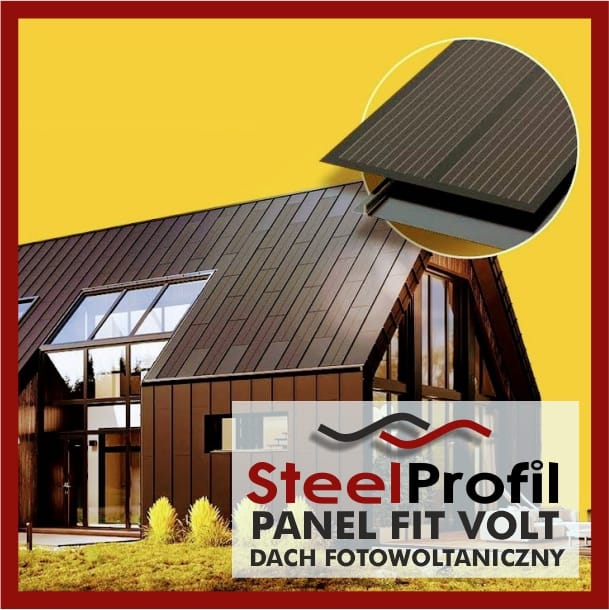
An integrated solar roof combines weather protection with photovoltaic generation as part of one designed system. Different approaches use small solar tiles, active metal roof panels, applied photovoltaic laminates or glass modules with additional weathering layers. This guide compares those approaches using the systems discussed in March 2023, including SolROOF. It considers installation, electrical connections, active and inactive areas, future alterations and water management. The comparison does not assume that every new house requires this exact technology, that generated electricity is cost-free, or that an integrated roof is automatically more reliable than correctly designed conventional roofing with mounted photovoltaics.
Two functions, one coordinated design
Integrated roofing can be an alternative to placing a separate photovoltaic installation above a conventional covering. Compare the complete roof and electrical system, appearance, service access, warranties and lifetime cost.
The March 2023 source predicted a blanket 2029 zero-emission requirement for all new homes. That dated forecast should not be used as current legal advice or proof that integrated solar roofing is compulsory. Applicable building and energy requirements need to be checked for the actual project.
Mounted photovoltaic modules are not inherently unattractive or an automatic loss of the roofing warranty. Correct compatibility, installation and written warranty conditions determine the position.
GET A QUOTE FOR A SOLAR ROOF!

Electricity generation and building use
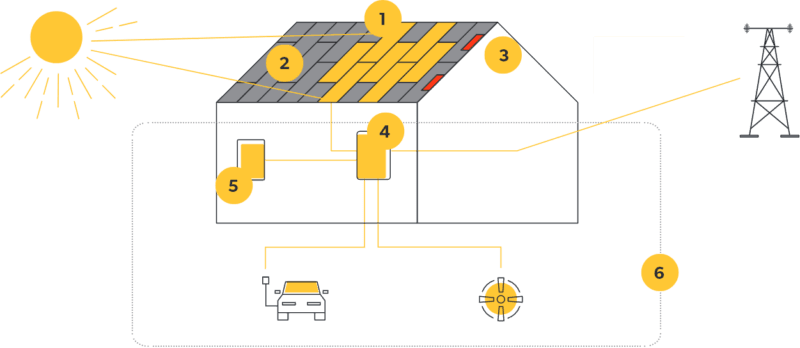
A solar roof can generate electricity that may supply household loads, a compatible heat-pump system or vehicle charging. Output varies with the installation and conditions. It does not guarantee free heating, a fully charged car or independence from the grid in every season.
Small solar tiles
Tile-based systems combine active and inactive roof elements. Their layout and electrical design influence connection count, maintenance and appearance. The source’s estimate of 10–30 tiles per square metre cannot be converted directly into the same number of electrical connections: not every roof unit is an active electrical module.
More components can affect installation and service planning, but a simple component count is not evidence of a particular failure rate. Compare the actual system documentation and workmanship requirements.
SolROOF: active and inactive roof panels

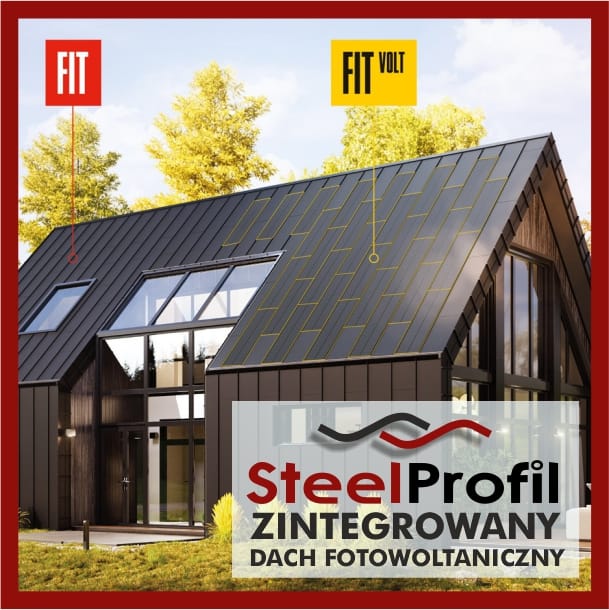
The source described SolROOF using FIT roof panels and active FIT VOLT panels. Inactive panels complete areas near edges, chimneys and other details. Roofing and photovoltaic functions are coordinated within the system.
The article illustrated layouts ranging from 2 to 20 kWp. These were examples, not a power range available on every roof. Usable area, orientation, shading and the approved electrical design determine capacity.
Roofers install the roofing elements, while electrical work still requires appropriately competent personnel. Replacing inactive panels with active ones later needs compatibility, electrical capacity and the system’s approval; it is not an unrestricted plug-in upgrade.
Optimisers can assist the management of module output under specified conditions, but they do not eliminate the energy loss caused by every shadow or dirty surface.
Photovoltaic laminates on a standing-seam roof
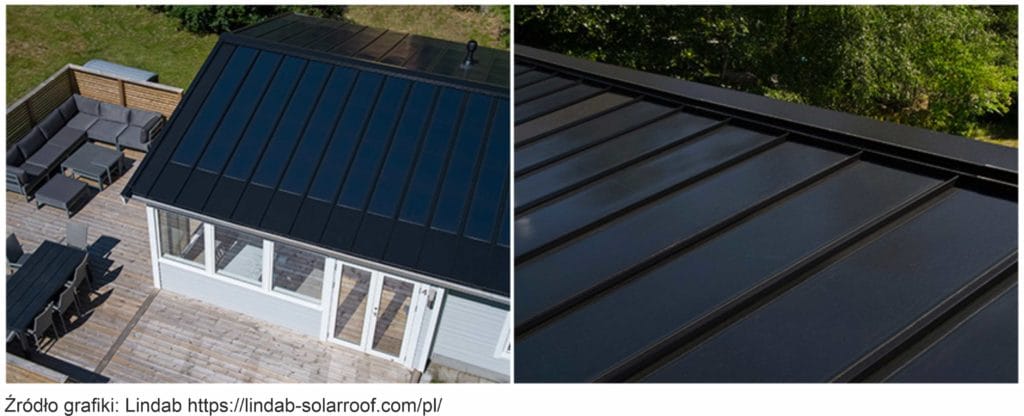
Another approach described in 2023 applied photovoltaic material to an installed standing-seam covering. Substrate preparation, bonding, installation conditions and electrical detailing are important. Do not infer universal reliability or failure merely from the sequence of work.
The exact photovoltaic technology and protective layers must be confirmed from product documentation. A vague description of quartz mats is not a sufficient material specification.
Glass-module systems such as SunRoof
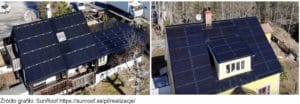
The source described an approach using active glass modules and inactive glass infill. A dedicated membrane and supporting arrangement formed part of its weathering system. The article associated this approach with development from 2013; current construction details must be checked separately.
Do not assume that an exposed photovoltaic module alone forms a watertight roof. Follow the complete tested system, including joints, underlayers and ventilation requirements.
The myRoof approach

The 2023 comparison described myRoof, introduced in 2022, as another system combining active glass-glass photovoltaic modules with inactive glass areas and a dedicated waterproofing layer.
Omitting a separate tile or metal covering changes the roof build-up, but the total structural load must still be calculated. Module service life, power, origin and replacement compatibility should be established for the actual supplied components, not assumed to match all conventional photovoltaic modules.
What to compare before choosing
Request the complete roofing and electrical specification, installation responsibilities, weathering details, warranty conditions and maintenance arrangements. Compare usable power and cost for the real roof, including inactive areas and future service access.
The system categories provide a useful starting point. They are not a ranking of manufacturers or a guarantee that one design is best for every building.