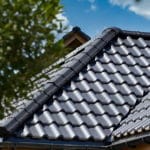
At a glance
Clay roof tiles provide a traditional covering with a choice of shapes, colours and surface finishes. Their suitability depends on the roof structure, pitch, fixing arrangement and complete weathering details, rather than appearance alone. This guide compares common tile types, explains how to calculate covering costs and considers concrete tiles and other roofing options. It also discusses the choice between conventional roofing with separately mounted photovoltaics and an integrated solar roof. The February 2023 article’s product and price examples are historical context, not a current quotation or a claim that photovoltaic installation is compulsory for every new roof.
Benefits and limitations of clay tiles
Clay tiles offer an established appearance, a range of profiles and the possibility of replacing individual damaged units in many systems. A suitable product and installation can provide a durable covering. The full roof design determines water management, wind resistance and suitability for a particular pitch.
Tiles have substantial mass compared with lightweight metal sheets. The supporting structure must therefore be checked, especially during renovation. Acoustic comfort and thermal performance depend on the complete roof; the tile covering is not a substitute for insulation or an automatic solution to every noise problem.
Colour and texture are design choices. Compare how the roof works with the building, alongside technical requirements and cost. Neither a traditional appearance nor a modern flat profile makes one covering universally best.
GET A QUOTE FOR STEEL SHEETS!
Compare an integrated solar roof such as SolROOF
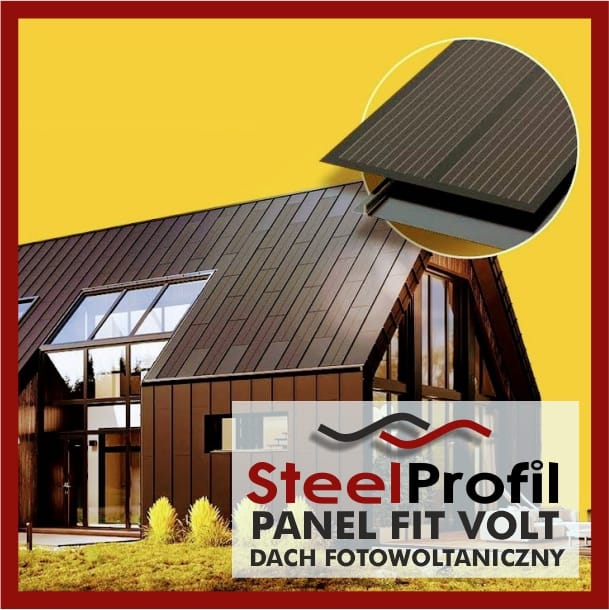
An integrated solar roof combines roofing and photovoltaic functions. It can be compared with clay tiles plus a separately mounted photovoltaic installation, using roof compatibility, electrical design, appearance, maintenance and total cost as selection criteria.
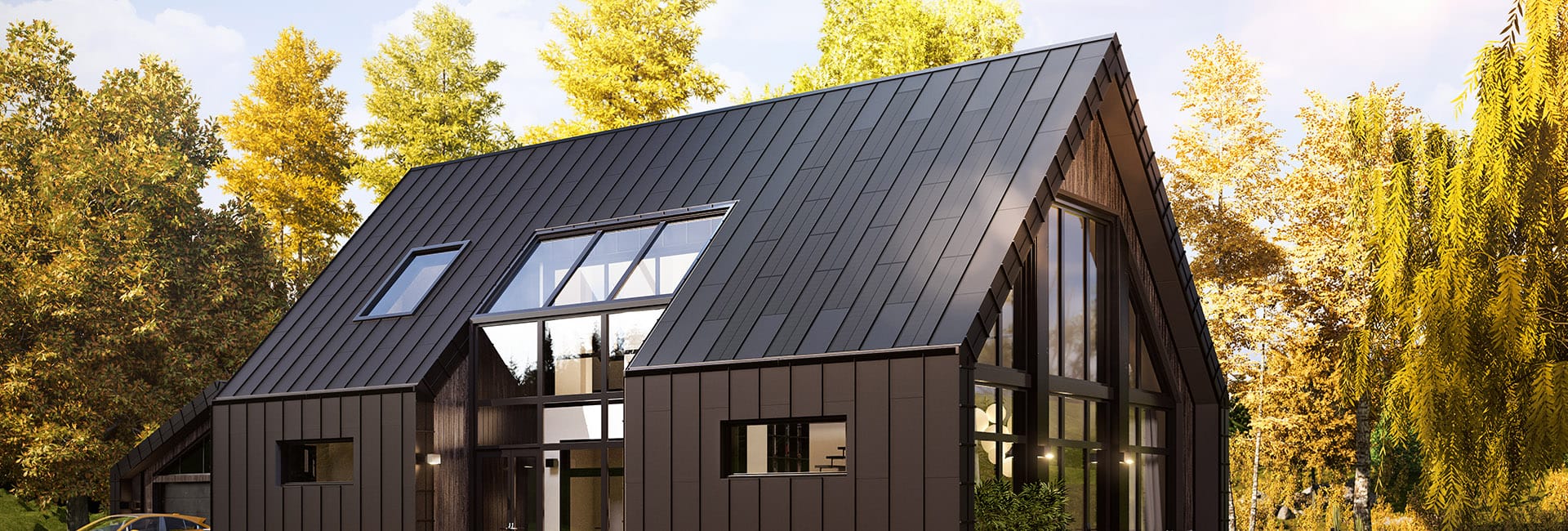
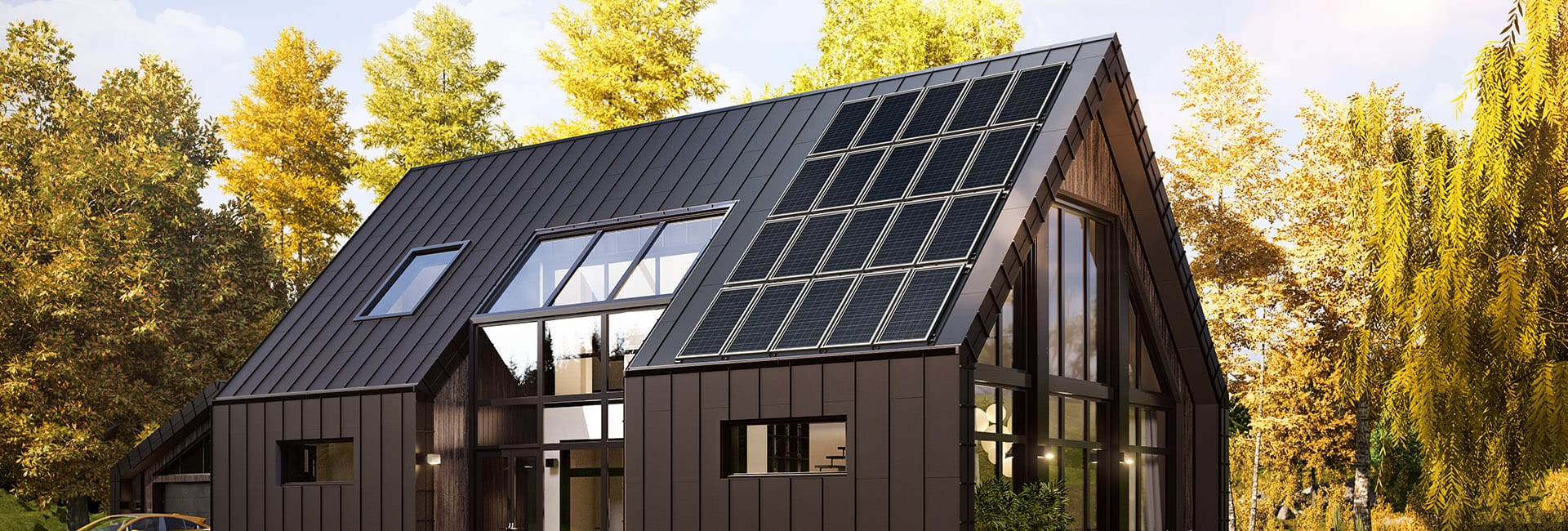
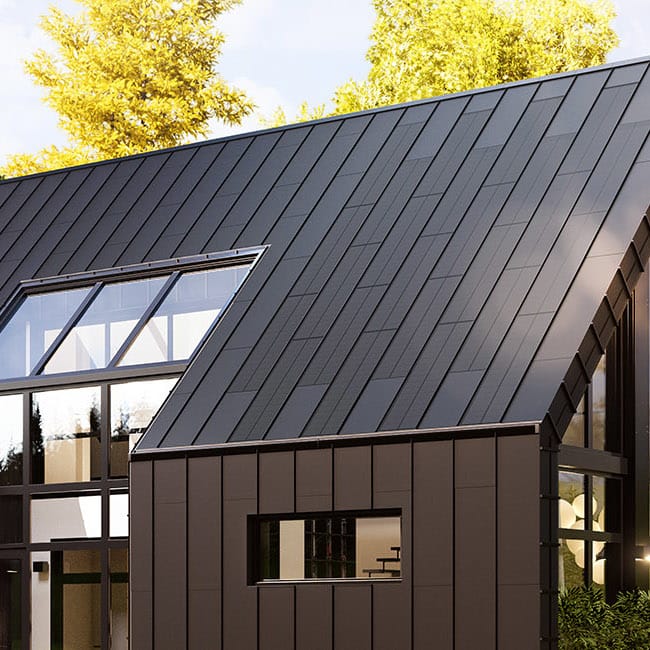
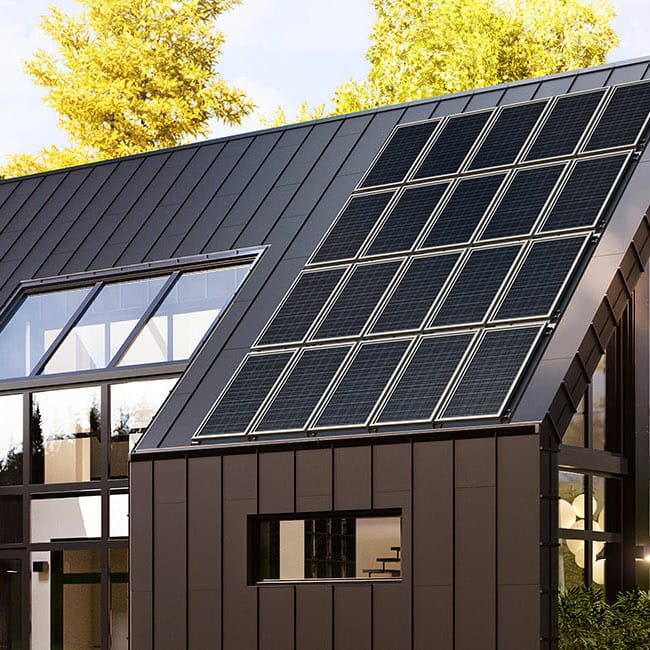
View the solar-roof presentation and explore the integrated SolROOF system.
Common tile shapes
- Monk-and-nun or under-and-over tiles: a traditional arrangement using complementary curved pieces.
- Plain tiles: flat individual tiles, including the rounded form known in Polish as karpiówka. Laying patterns and overlaps determine the finished covering.
- S-shaped or pantiles: a curved profile rather than a flat tile.
- Interlocking tiles: products with shaped overlaps; Marseille-style tiles are one example.
Clay tiles are fired products. Concrete tiles are made from a different material and are also available in several shapes. They may offer an alternative price and appearance, but should not be assumed to have identical properties in every respect.
Examples from the original comparison
The February 2023 source named Monza, Bergamo, Piemont, Verona, Rubin, Turmalin, Topas, Titania, Orea 9, Mondo 11 and Alegra 9. These are examples of product ranges, not an independently established ranking of popularity or durability.
Compare the exact material, dimensions, required quantity, pitch range, fixings and warranty. A manufacturer’s reputation does not guarantee that every range is suitable for the same roof. Verify the current product name and specification before ordering.

Calculate the price per covered square metre
A price per tile must be multiplied by the required number of tiles per square metre for the actual model and laying arrangement. The source article’s example of 12–14 tiles/m² does not apply to every tile, particularly small plain tiles.
The February 2023 text described covering prices from several tens of złoty to around PLN 100/m² without a clear VAT basis. These are historical examples, not current prices. Include ridge tiles, edge details, fixings, waste, labour and any structural work in the comparison.
For larger industrial or agricultural buildings, suitable metal or fibre-cement coverings may also be considered. Their economy and technical suitability must be assessed for the actual roof, not inferred from the building type alone.
Choose the covering as part of a complete roof specification. This provides a sound basis for comparing clay tiles, concrete, lightweight metal and solar-roof options.