


At a glance
Insulating an outbuilding can reduce heat loss when the building is heated and help moderate temperature changes during use. An economical solution depends on the building’s condition, intended use and complete installation cost. Discounted or third-grade rigid-foam boards may be worth considering, but their classification does not prove that defects are only cosmetic or that every board retains full declared performance. This guide explains what to inspect before buying, compares internal and external insulation and considers installation and handling. It keeps the source’s low-cost product example while avoiding a guarantee of immediate savings or suitability for every building.
Assess the actual third-grade boards
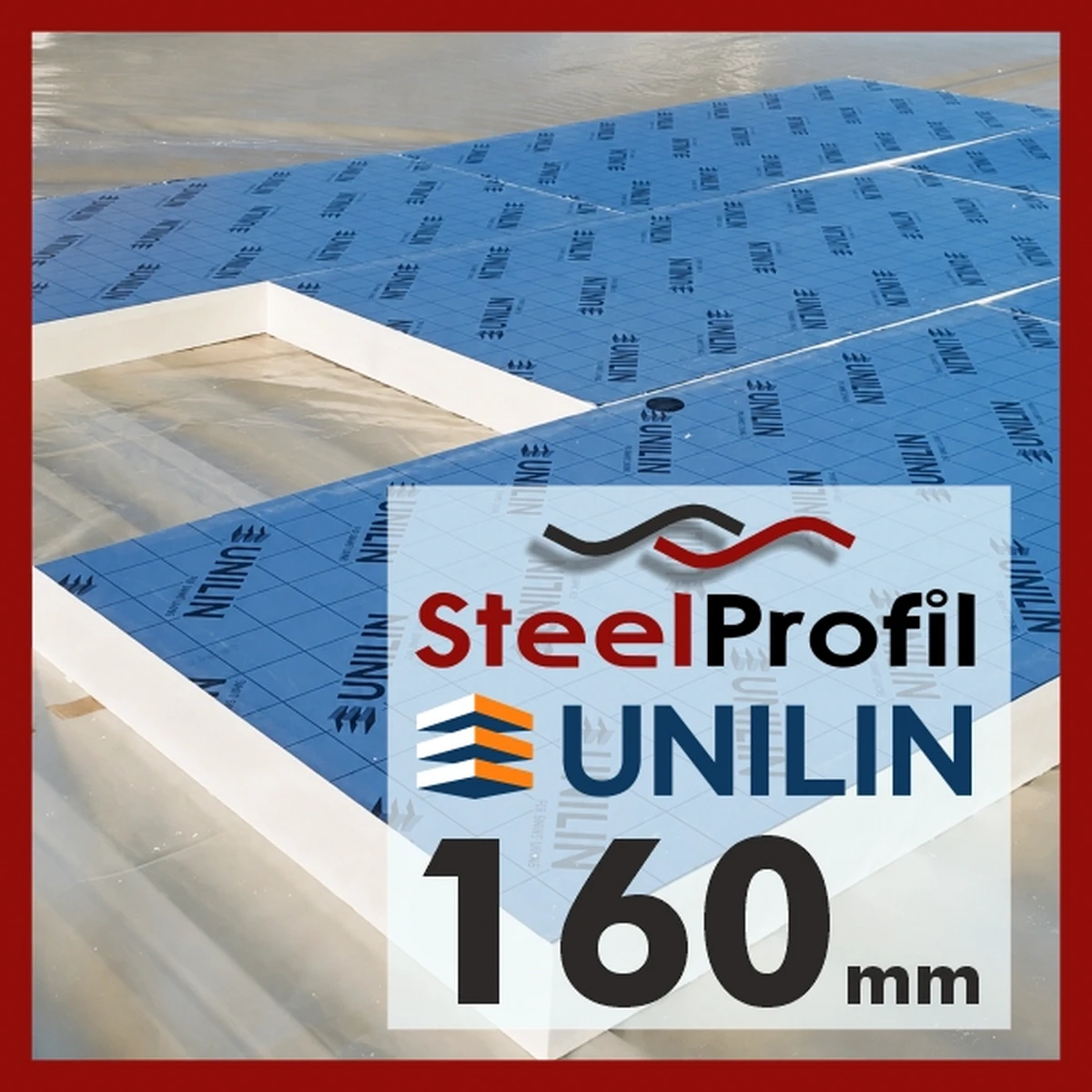
The source proposed third-grade polyurethane-family insulation boards as a lower-cost option. Confirm the exact foam type, facing, thickness and reason for the classification. Third grade is not a universal technical specification.
Inspect damage, irregular dimensions, missing facings and the condition of joints. Establish whether the boards can provide the required thermal, moisture, fire and mechanical performance in the intended assembly. Do not assume that every defect is merely visual.
Allow for unusable pieces and extra fitting work when comparing prices. A lower price per square metre can be offset by waste, repairs or additional installation materials.
The existing guide to installing insulation boards can provide context, but the actual system instructions and building condition remain decisive.
GET A QUOTE FOR
LOW-COST PIR BOARDS!
Calculate the cost of a usable insulation layer
Compare the quantity of sound material needed after cutting and sorting. Include transport, storage, compatible adhesives or fixings, joint treatment, protective layers and finishing.
Rigid-foam boards are relatively light and can often be cut to fit, but damaged or variable boards may require more work. Ease of handling does not mean that everyone can safely design and install every insulation system.
Use the installation guide alongside the specified method. Where loading, damp, fire protection or work at height is involved, suitable expertise is necessary.
Energy savings depend on the original building and how it is used and heated. Insulating an unheated store does not create the same bill savings as improving a continuously heated workshop.
Internal or external insulation?
Internal insulation can preserve the external appearance and may be useful where exterior access is limited. It reduces internal space and changes the moisture and temperature conditions in the original wall. Junctions and vapour control therefore need careful assessment.
External insulation can provide a more continuous layer around the structure, but details at openings, the roof and the base remain important. It does not automatically eliminate all thermal bridges or make the building weatherproof without a suitable finish.
A combination of internal and external measures may be appropriate in a designed refurbishment. Simply adding layers on both sides is not a substitute for checking moisture behaviour.
Plan a manageable installation
Choose boards and dimensions suited to the substrate and available access. Prepare the surface, protect the materials and use compatible cutting, fixing and jointing methods.
Light weight can help handling, but rigid boards are not a flexible material that can be forced around every shape. Accurate fitting and safe access remain necessary. A simple layout and sound, consistent boards may be more economical than the lowest-priced mixed batch.

Choose according to the building and batch
Third-grade boards can be considered only where their actual condition is compatible with the intended use. Compare the full installation with other suitable products and assess expected savings for the real building.
The source linked to 20 mm mixed third-grade PIR boards. This is a specific product reference, not a universal thickness recommendation or a guarantee of current availability.
Confirm dimensions, quantities, defects and documentation before ordering. Appropriate insulation can improve comfort and reduce energy use, but neither a fixed payback period nor a specific carbon saving follows from buying discounted boards alone.