Sandwich-panel cores: rigid foam or EPS?
At a glance
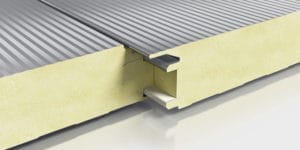
Choosing a sandwich panel requires comparison of the complete product, not only the core material. EPS, PUR and PIR cores differ, but thickness, facings, joints, loads, moisture conditions and fire classification determine whether a panel suits the building. The original January 2010 comparison reflected its market at that time. This version explains the useful distinctions without assuming that every foam-core panel is better in every respect or that a particular material excludes pests. Compare declared performance, system details and the complete installed cost for the intended roof, wall or cold store.
Thermal performance, density and moisture
The source cited EPS densities around 15–20 kg/m³ and a polyurethane value around 40 with a malformed unit. Density is product-specific and must not be used as a substitute for the panel’s declared thermal or structural data.
EPS is an expanded, predominantly closed-cell material; describing it simply as an open-cell foam is incorrect. Moisture performance differs between products and constructions. Facings, joints, penetrations and vapour control are particularly important in cold stores.
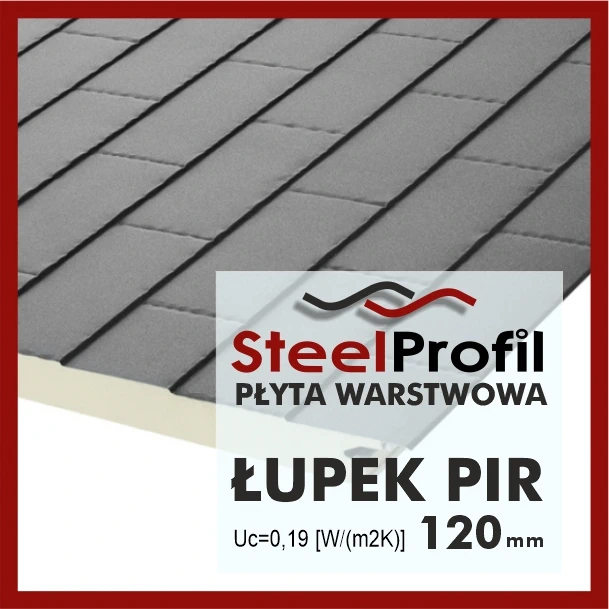
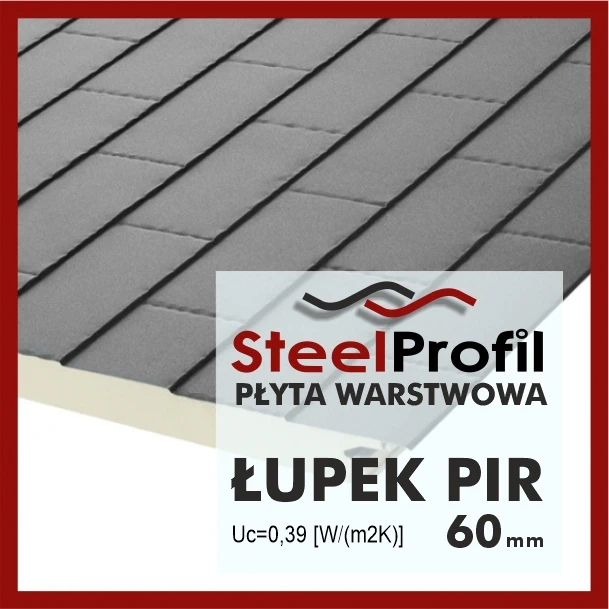
PUR and PIR panels may provide a lower U-value at a given thickness than some EPS alternatives, but use the actual product values. Thermal performance cannot be inferred from density alone.
Manufacturing and durability
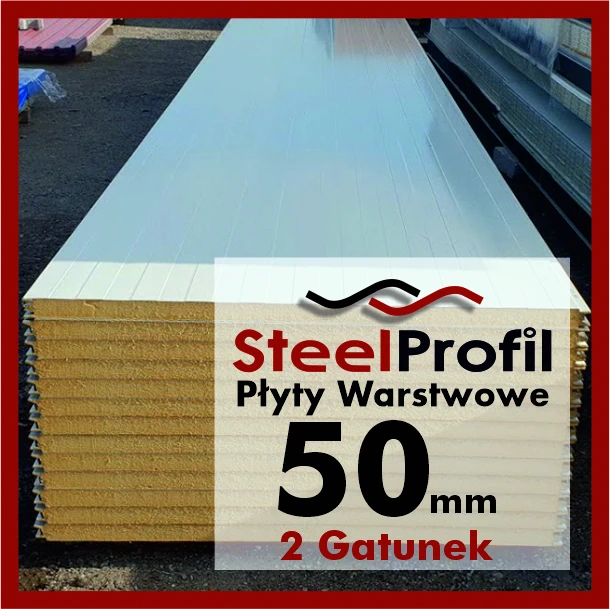
EPS-core panels can be manufactured by bonding prepared core material to facings. Rigid polyurethane-family foam can be formed between facings in a continuous process. The actual manufacturing route and quality control influence the finished panel.
Neither description proves that every joint is absent or every surface is perfectly flat. Dimensional tolerances, adhesion and the complete panel specification remain relevant.
No core material should be assumed to be pest-proof. Protect exposed edges and service openings and manage pest access through suitable building details.
Fire performance and cost
PUR, PIR and EPS behave differently under heat, but simplified descriptions such as evaporation, charring or melting do not establish the fire classification of a panel assembly. Check the documented reaction to fire and required fire resistance separately.
The 2010 source described expanding foam-panel production and a narrowing price gap. These are historical market observations, not current production-line counts or quotations.
Compare the required performance and total project cost. The appropriate choice follows from the building and its specification rather than a universal ranking that leaves price as the only reason to select EPS.
Ask about materials for your project
Tell us which material you need, the quantity and delivery location. The SteelProfil team will help prepare an offer for your inquiry.
Phone: +48 500 409 109
REQUEST A QUOTE!