


PUR and PIR: the differences

At a glance
PUR and PIR are related polyurethane-family insulation materials with different formulations and polymer structures. Their names do not by themselves identify the installation method, density, conductivity or fire classification. Factory-made boards, spray foams and metal-faced sandwich panels are distinct products. Both open-cell and closed-cell spray systems exist, while rigid boards have their own declared properties and facings. This guide explains those distinctions, the chemistry behind PIR and the limits of the source’s numerical comparisons. Choose insulation from the actual product documentation and complete construction requirements, rather than treating every PUR foam as one low-density product or every PIR board as identical.
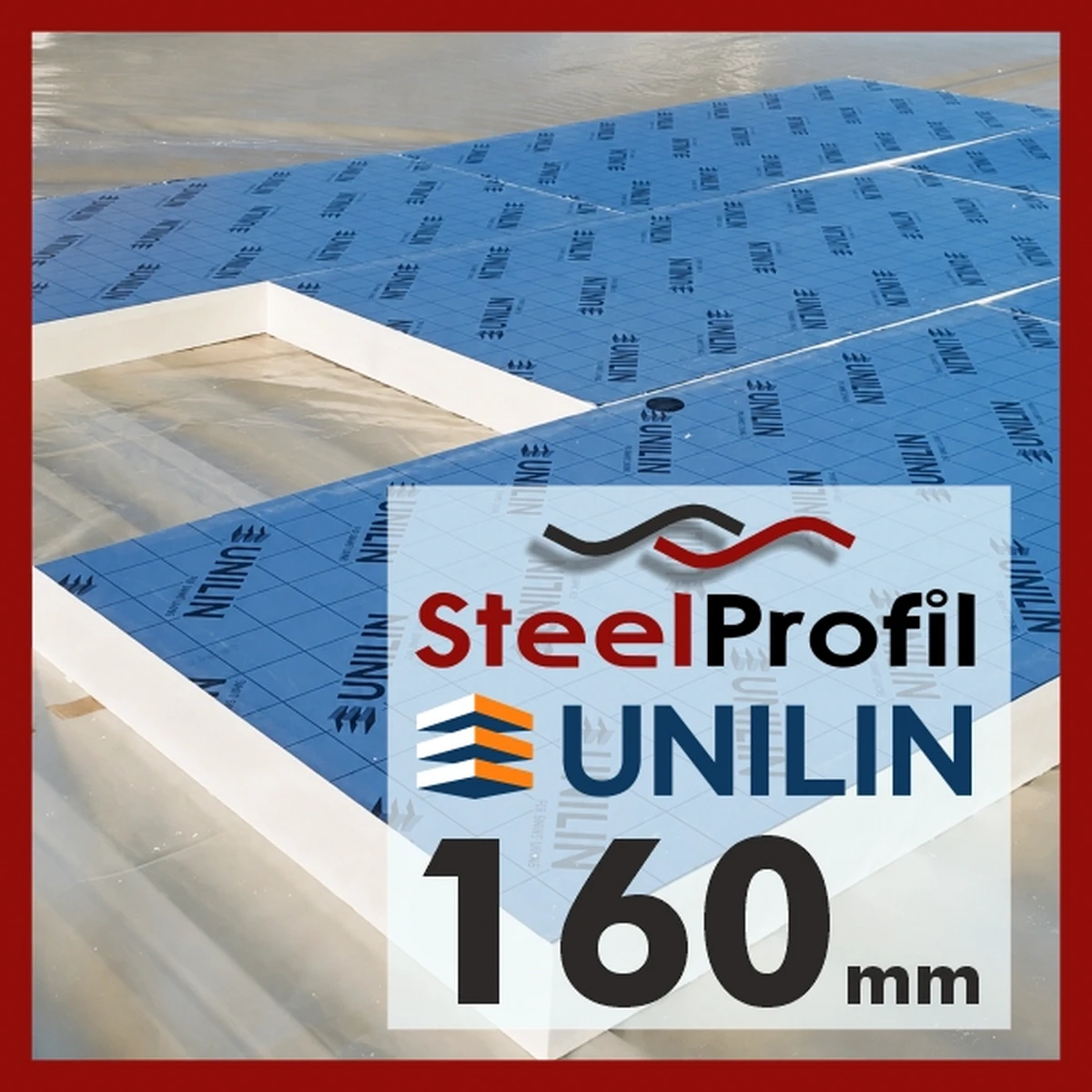
Sandwich panels combine a core with metal facings and designed joints. Faced insulation boards, including Thermano and termPIR families, serve specified insulation applications in roofs, walls and floors. Other polyurethane products are used in pipe insulation or agricultural buildings, each with their own requirements.
Material and installation method are separate
There is no universally best insulator for every building detail. A sprayed PUR system is not simply an inferior version of a PIR board, and a board is not suitable for every cavity or substrate.
Distinguish the exact foam, cell structure, facing, application and workmanship requirements. Product selection includes fire, moisture, loading and access as well as thermal performance.
Conductivity, density and cell structure
The source compared a low-density spray example of about 7 kg/m³ and λ 0.036–0.040 W/(m·K) with a PIR-board example near 30 kg/m³ and λ 0.022–0.023. These are examples from its comparison, not specifications for every spray foam or board. Closed-cell spray products also exist.
Conductivity depends on more than density: cell structure, gas, solid material, radiation, ageing and testing conditions contribute. EPS is predominantly closed-cell, contrary to the source’s grouping of it with open-cell materials.
The claim that 120 mm of PIR always equals 200 mm of spray foam, wool or EPS is therefore too broad. Compare declared resistance at the actual thickness. The source’s decimal inconsistencies for gas and bulk conductivity are not used as calculation data.
Gas retained in cells can influence heat transfer, but conductivity is not a simple sum of the listed gas and solid values. The window-gas analogy illustrates only a limited principle, not an insulation-sizing method.
The statement that spray foam costs four times as much, or that only PIR can justify its price, is not a verified universal cost comparison.
GET A QUOTE FOR PANELS!
Compare products, not slogans
The relevant choice may include mineral wool, an identified spray system and a specified rigid board. Installation conditions, repairability, joints and the complete roof or wall all affect suitability.
The source described a shift from PUR towards PIR in sandwich-panel production. Treat that as historical market context, not a current market-share claim.

Core chemistry and fire
Both materials use polyol and isocyanate chemistry. PIR formulations favour the formation of isocyanurate ring structures through a higher isocyanate proportion and appropriate catalysts and processing.
This can influence behaviour under heat, but the source’s 200 versus 300°C comparison does not establish universal service limits or “50% more” fire resistance.
A sandwich-panel core helps the facings work together. Fire performance nevertheless depends on the complete tested assembly, joints, supports and loads. It is not valid to promise immediate collapse for every PUR roof and a guaranteed evacuation period for every PIR roof.

Formulation and production conditions
PUR formulations predominantly form urethane linkages; PIR formulations also develop substantial isocyanurate ring structures. The actual formulation includes blowing agents, catalysts and other components selected for the product.
The source quoted approximate isocyanate indices of 100–110 for PUR and 180–250 for PIR. These are formulation examples, not a universal recipe or a purchase specification.
Its reaction-temperature ranges of 110–140°C and 180–200°C likewise cannot be treated as mandatory processing temperatures for all systems. Formulation, catalysts, equipment and thermal history determine the controlled production process.
Factory manufacture and on-site spraying have different quality-control arrangements. Properly installed spray foam is not, by definition, produced without temperature or moisture control.
Thermal and dimensional performance
The source gave 0.022–0.026 W/(m·K) as examples for rigid insulation. Use the actual declared aged conductivity or resistance, including the facing and thickness, rather than applying that range to every product.
PIR and PUR products can differ in dimensional stability and temperature resistance, but a general chemistry description does not establish a universal durability ranking. Long-term loading, exposure and installation conditions matter.
The retained production video is illustrative. It does not certify the specification or manufacturing process of every product offered here.
Reaction to fire and complete-system resistance
PIR may form a protective char under heat, while formulation and facings influence the behaviour of both PUR and PIR. Charring is not proof of non-combustibility, low smoke in every test or a fixed period of structural resistance.
Check the declared reaction-to-fire classification and, where required, fire-resistance evidence for the actual construction. These describe different aspects of performance.
Make the final comparison
Compare documented thermal performance, moisture behaviour, compression or other relevant loading, fire requirements and installation details. Include the full installed cost and the consequences of joints and penetrations.
PUR and PIR can both serve suitable applications. The appropriate choice is a specified product in a compatible system, not a blanket verdict based only on the foam acronym.