


At a glance
A roof covering should match the building’s use, architecture and technical design. A house may place more emphasis on appearance, while a warehouse or temporary structure may prioritise straightforward installation and cost. Those priorities do not remove the need to check roof pitch, loads, supports, weather protection and maintenance. This guide compares common covering families and then looks more closely at tile-effect roofing sheets and trapezoidal steel sheets. It treats cost and appearance as part of the decision, rather than assuming that either a lightweight covering or a cheap second-grade sheet is suitable for every roof.
Coverings for houses and other buildings
Clay or concrete tiles and copper roofs can create a traditional appearance. Timber, natural slate and thatch offer further architectural possibilities, usually with their own cost, workmanship and maintenance requirements. Bituminous shingles and membranes are different systems again; suitability depends on the particular roof rather than a single price hierarchy.
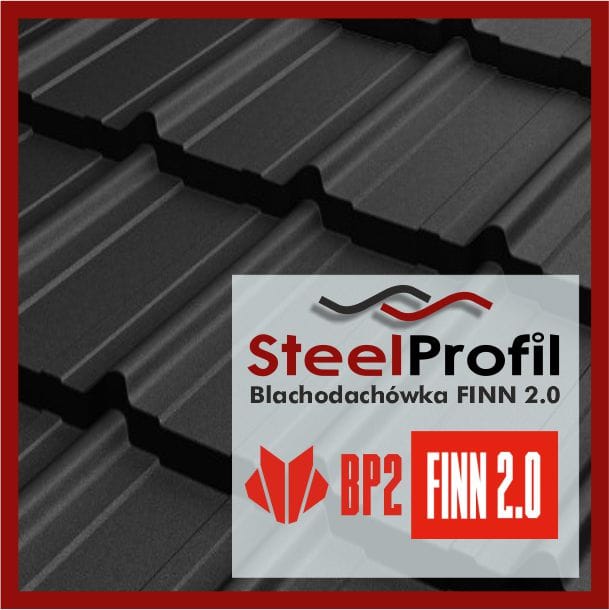
Tile-effect metal sheets provide a tiled appearance with relatively low covering weight and a wide range of finishes. Trapezoidal sheets can also be used on residential buildings where their appearance fits the design. Describing them as inherently less attractive is a matter of taste, not a technical limitation.
For agricultural, industrial and temporary buildings, economical installation on large, simple surfaces is often important. Trapezoidal profiles are common options, but the selected profile, substrate and protective finish must match the exposure and intended use.
The covering influences weather protection and maintenance. Heating and cooling demand, however, depend on the complete insulated roof and building, not just the visible outer sheet.
GET A QUOTE FOR STEEL SHEETS!
Why choose tile-effect roofing sheets?
Advantages can include competitive pricing, broad availability, relatively low weight compared with many traditional tiles, and convenient sheet or modular formats. Different wave patterns and colours allow the covering to suit a range of house styles.
Durability depends on the actual metal, coating and environment. Low weight does not permit installation on any roof without assessment. Nor does a manageable panel size make roofing work suitable for an inexperienced installer. Follow the selected system’s requirements and use appropriate skills and equipment.
Maintenance needs may be modest for a suitable product, but cleaning, inspections and attention to details still matter. Compare a complete specification instead of assuming that every tile-effect sheet shares the same weather resistance.

When trapezoidal sheets are practical
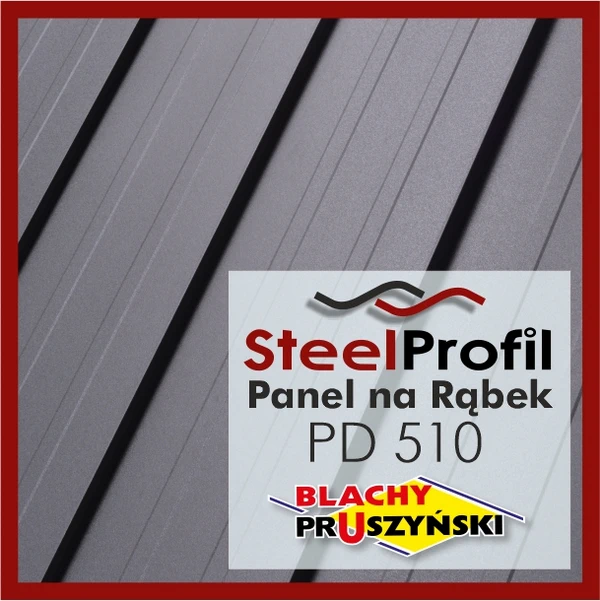
Trapezoidal sheets can be economical for halls, outbuildings and temporary shelters. Suitable products can form both roof and wall cladding, while others can be used for fencing. Rain noise and thermal comfort depend on the full construction, including any insulation and inner layers.
Second-grade sheets may suit some lower-cost projects, but their differences are not limited to thickness tolerance. Inspect the actual condition and assess the intended application; no grade label guarantees that every piece retains all the properties of standard material.
Choose between tile-effect and trapezoidal profiles by comparing the complete design, finish and installed cost. For a temporary or agricultural building, a cheaper profile may be sensible. For a house, a preferred tile pattern may justify a different budget. Both decisions still require a technically suitable roof system.