







At a glance
Wood-effect metal sheets combine a timber-style finish with a metal substrate. Flat and trapezoidal versions can be used for suitable façades, soffits, garages, fences and gates; roofing use depends on the particular product and roof design. Appearance is only one part of the choice. Check the metal, thickness, protective finish, profile, effective coverage and warranty before selecting the décor. This guide explains those distinctions and the wood-effect patterns mentioned in the original range. It does not assume that every decorative sheet is suitable for a roof or that a low profile has the same structural capacity as a higher one.
Flat or trapezoidal, steel or aluminium?
Wood-effect sheets are available as flat sheets and as profiled trapezoidal sheets. Their geometry affects stiffness, fixing and appearance. They also differ in thickness and decorative pattern.
Steel and aluminium are separate material choices. Aluminium is lighter by material density, while the stiffness and strength of a finished sheet also depend on thickness, profile and alloy. Corrosion protection and forming instructions need to be checked for the actual product rather than reduced to a general claim that one metal is always easier to cut or bend.
Suitable wood-effect products can finish walls, soffits and other structures. A sheet’s decorative coating does not establish suitability for a flat or pitched roof. The approved application, roof pitch and complete detailing remain decisive.
GET A QUOTE FOR STEEL SHEETS!
Parameters to compare before choosing the pattern
- Thickness: the article lists examples of 0.45, 0.5, 0.55 and 0.6 mm. Thickness matters, but profile, supports and loads also determine suitability. Do not select a roofing sheet from thickness alone.
- Corrosion protection: identify the metallic and organic protective layers and their intended environment.
- UV resistance: ask for the documented coating class and colour-retention conditions. The source’s RUV4 example is not a reason to treat every finish as equivalent or to assume a universal ranking without its specification.
- Warranty: the source mentions examples of 10–15 years and separate colour warranties. These are not current guarantees for the whole range; use the written terms of the chosen product.
- Profile: designations such as T8 or T35 identify different products. Higher and lower profiles have different uses, but roof area alone does not determine the required profile.
- Dimensions: a flat sheet may, for example, measure 1 × 2 m. The source mentions profiled widths of 50–150 cm and lengths of several metres for aluminium or more than ten metres for some steel products. Confirm actual sizes and handling limits.
Use the effective cover width when calculating quantities. Adjacent sheets overlap, so overall width and usable coverage are not interchangeable. Where made-to-length supply is available, agree lengths that suit the project and transport.

Choosing the wood-effect décor
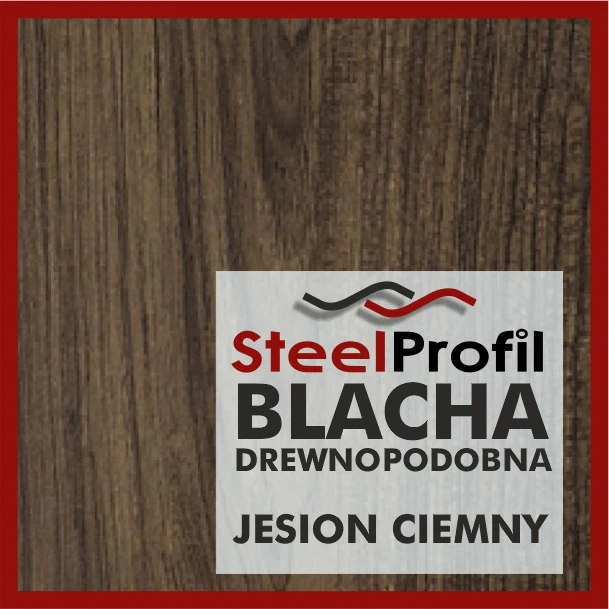
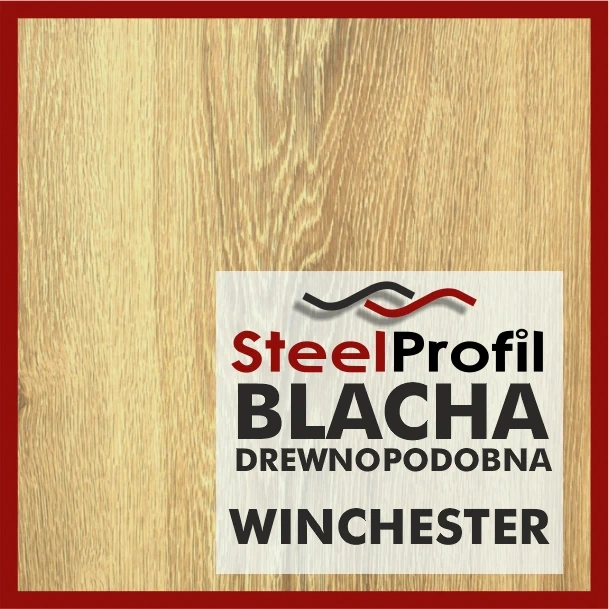
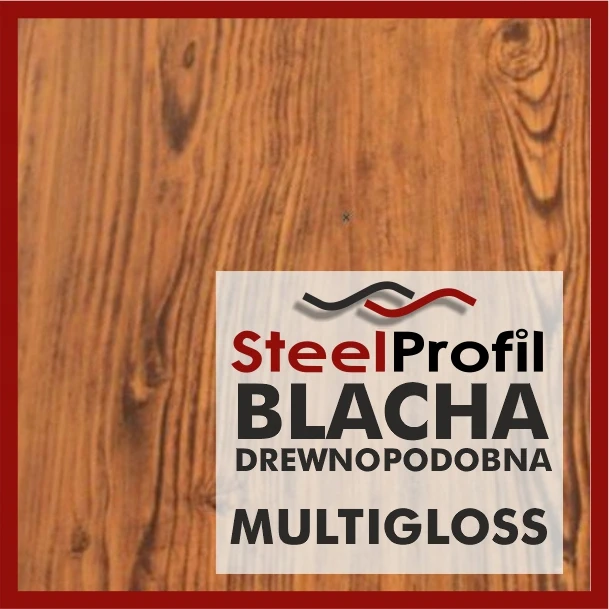
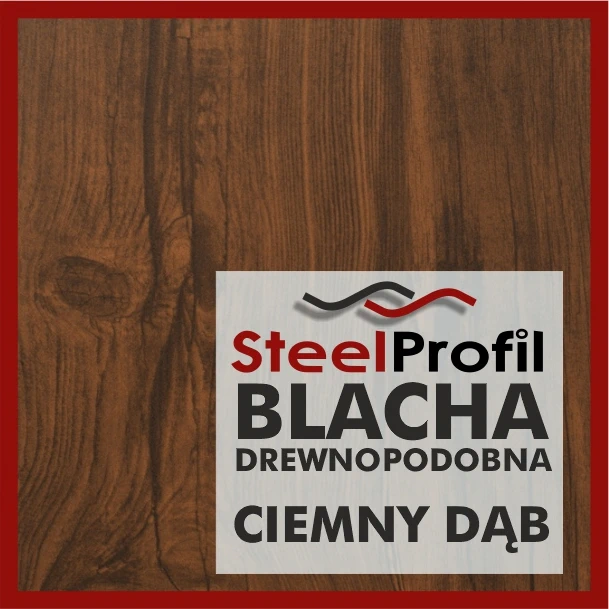
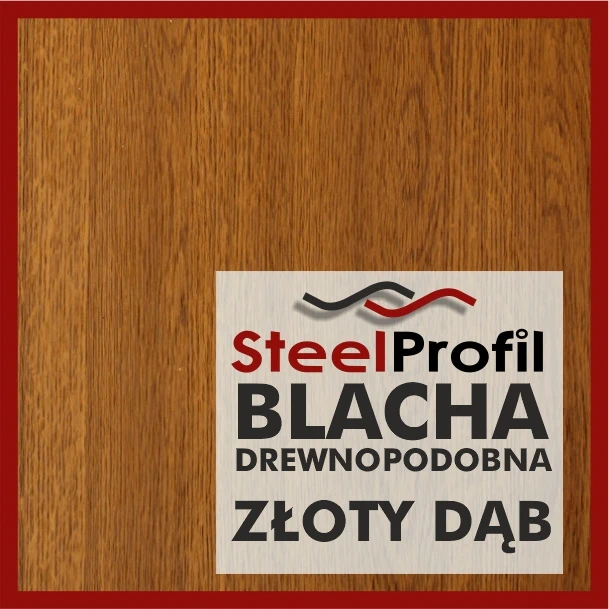
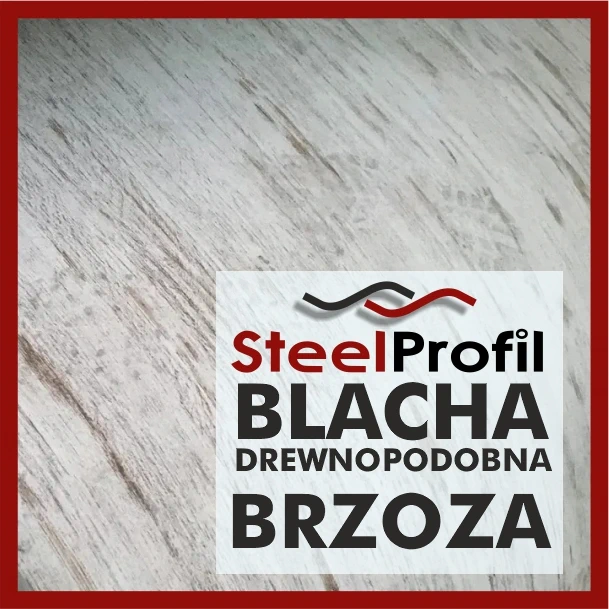
Once the technical product is suitable, compare its pattern with the façade, window frames, surrounding buildings and your own preferences. The original article lists dark oak, golden oak, glossy golden oak or multigloss, Winchester, golden ash, amber walnut, rosewood, mahogany and birch. Winchester was described as a less intense golden-oak effect; names and shades should be checked against the supplier’s actual samples.
Wood-effect sheets can create a coordinated appearance on suitable roof coverings, soffits, façades, sheds and garages, as well as fences and gates. A sample helps assess the grain and colour, while the product specification establishes whether it can be used in the intended place.