At a glance
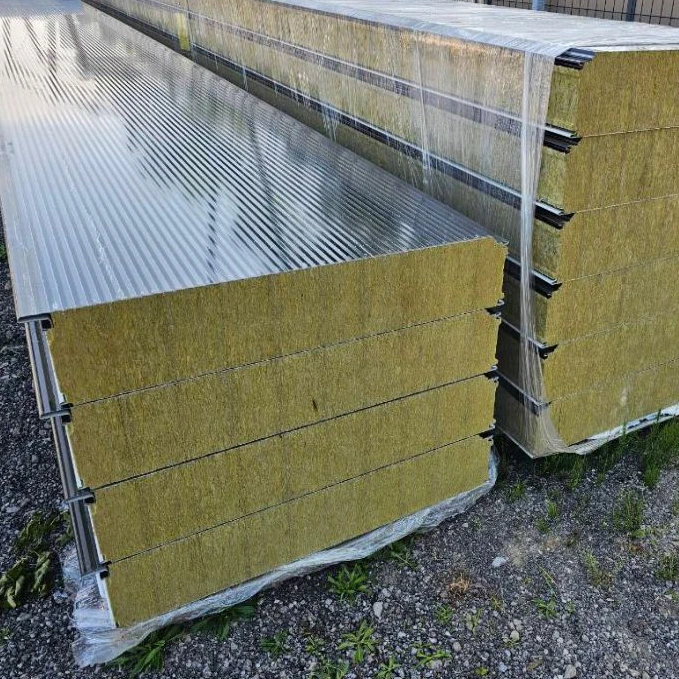
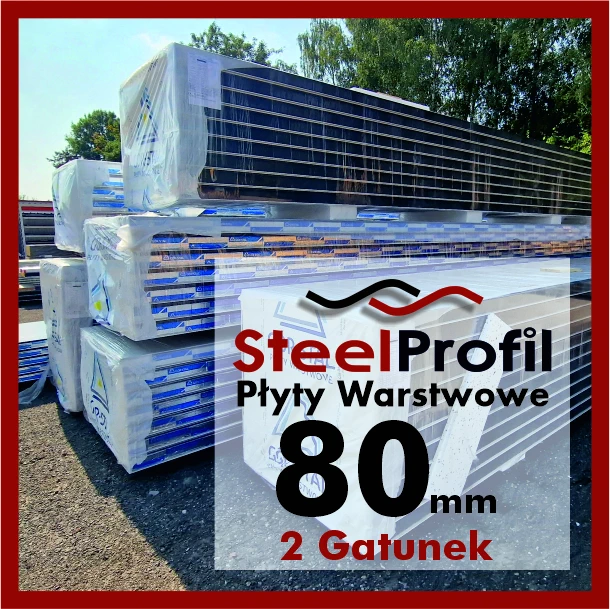
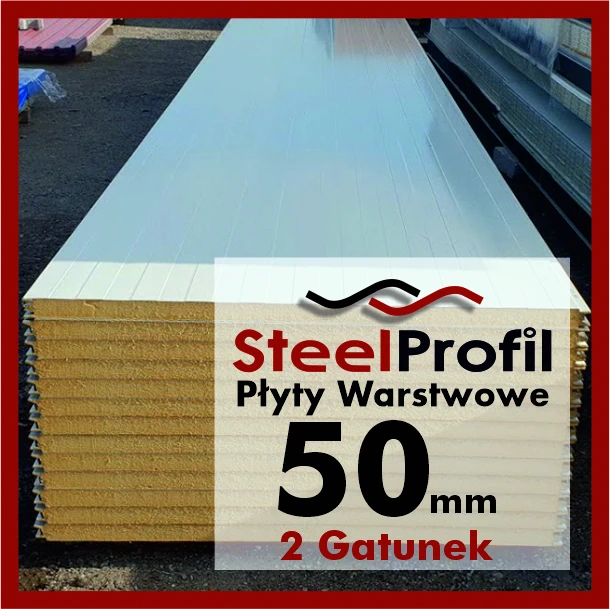
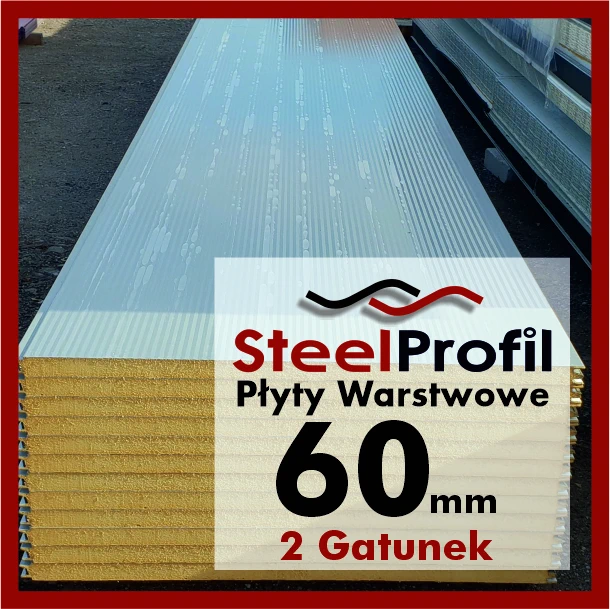
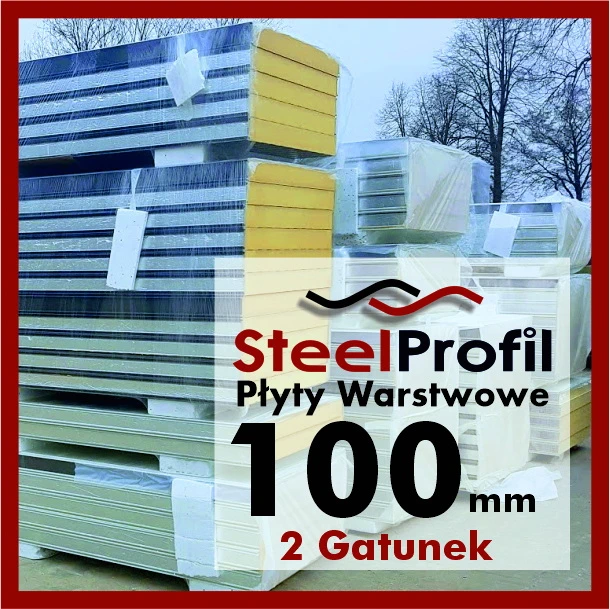
First- and second-grade sandwich panels should be compared using the actual product and the reason for its classification. Second grade does not automatically mean a different core or inferior raw materials; it may involve specified defects or departures from the standard sale condition. Price savings need to be weighed against appearance, dimensions, joints, damage and the documentation available for the intended use. This guide explains how to assess the trade-off without assuming that every first-grade panel performs identically or that every second-grade panel is suitable for a wall, roof, floor or structural application.
First grade: a defined product specification
For a first-grade panel, check the manufacturer, panel family, core, thickness, facings, dimensions and intended application. Its declared performance and warranty conditions are more useful than a broad promise of the highest quality.
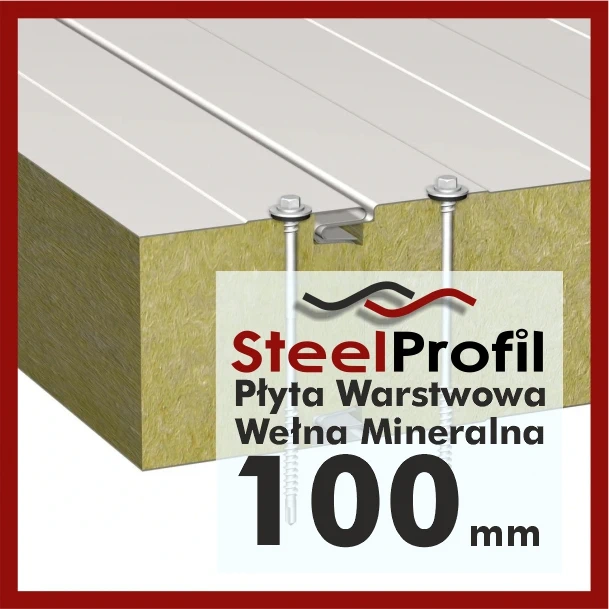
Roof and wall panels have different joints and installation details. First grade does not turn a panel into the building’s main load-bearing frame or establish unlimited resistance to moisture and weather. Supports, fixings and the complete design remain important.
Second grade: identify the reason for the lower price
A second-grade batch may offer worthwhile savings where its actual condition is acceptable. Ask what differs from the standard product and inspect the relevant pieces. Cosmetic defects, dimensional differences or damage need different assessments; the label alone does not tell you which applies.
Lower price does not inherently make a panel lighter or easier to cut. Handling and installation depend on its construction and dimensions, just as they do for first-grade material.
GET A QUOTE FOR PANELS!
Dimensions, joints and long-term use
Dimensional accuracy and sound joints help panels fit together as intended. Check the actual dimensions, the state of the facings and core, and whether the panel can be fixed according to its system instructions. Product quality cannot be replaced by a general claim of permanent dimensional stability under all weather conditions.
Choose an application the panel is designed for
Suitable wall panels may be used for façades or specified internal partitions. Roof panels need their own appropriate details. Metal-faced building panels should not be presented as general-purpose furniture boards, floor finishes or freely formable interior sheets.
For second-grade material, agree which limitations matter to your project and which do not. An acceptable visual blemish is a different issue from damage to a joint, facing or core that affects the intended use.

Making a practical choice
Choose first grade when a defined standard finish and the corresponding documented product specification are central to the project. Consider second grade when the disclosed condition is compatible with the design and the saving remains worthwhile after sorting, trimming and installation.
Compare the complete order: usable dimensions, colour consistency, accessories, delivery and any additional work. Obtain the available technical documents and clarify the sale and warranty conditions. Do not assume that a cheaper panel automatically retains every property of a fully conforming product.
Discuss the intended use with the supplier and the person responsible for the building design. The aim is a suitable, economical panel system rather than a choice based solely on the words first or second grade.