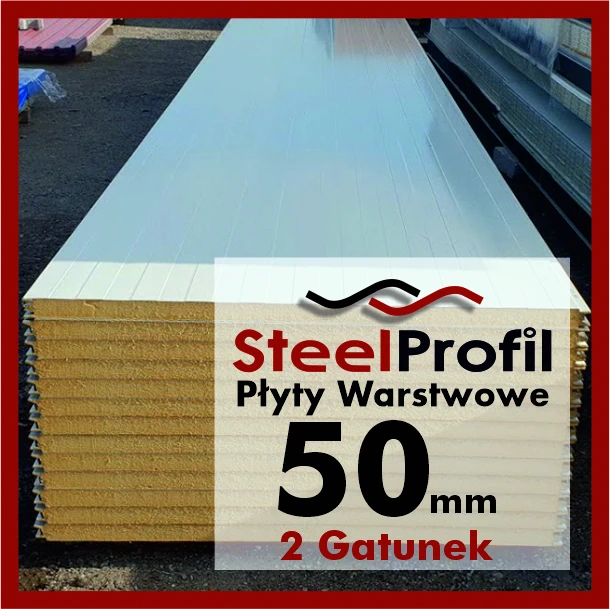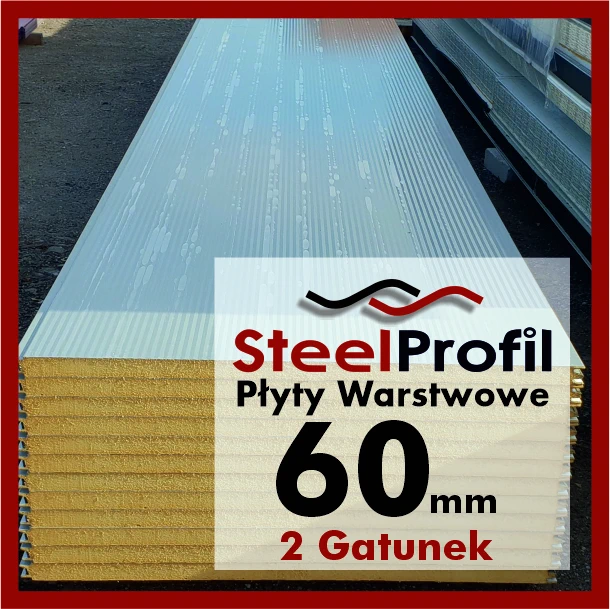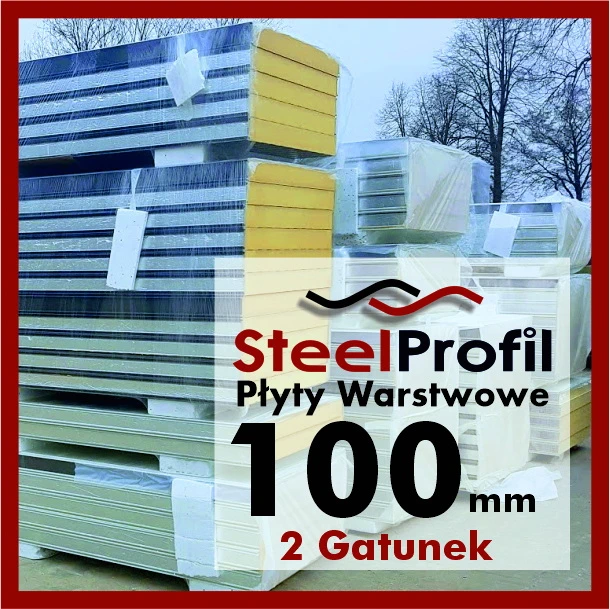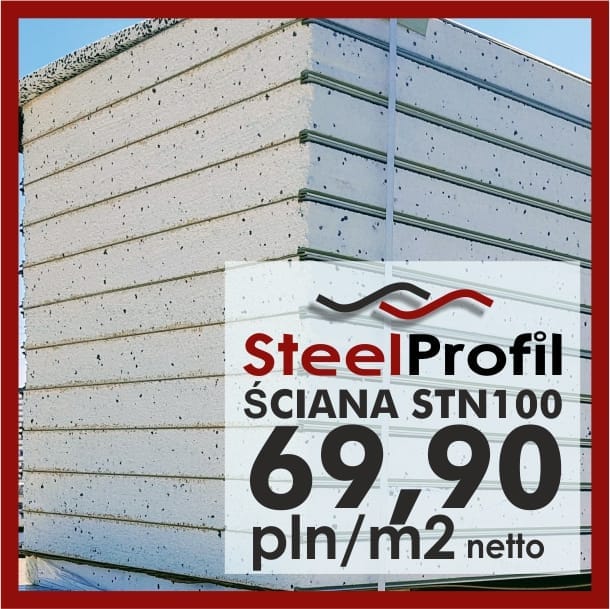
At a glance
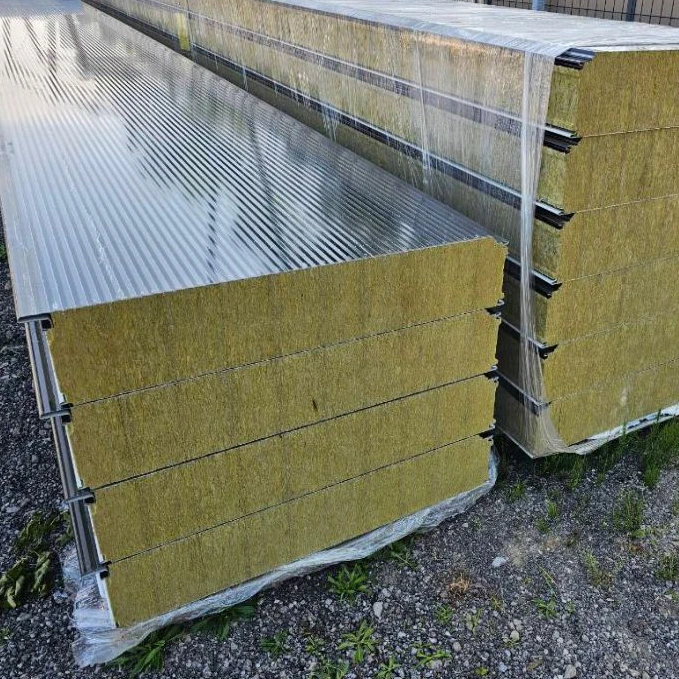
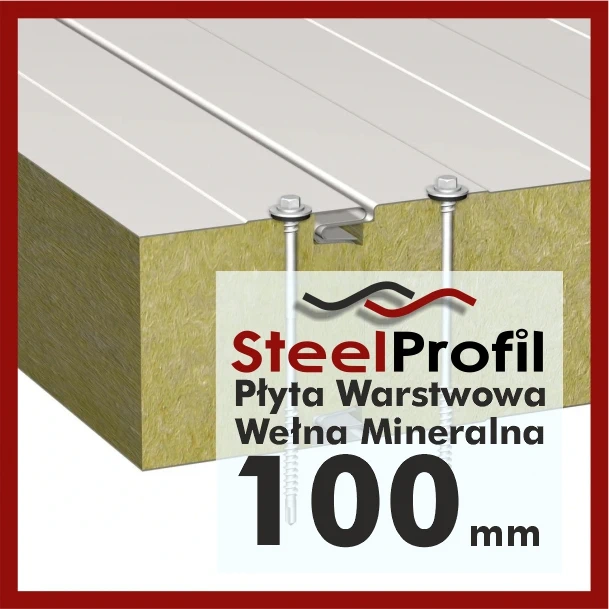
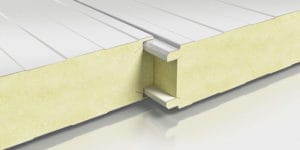
Sandwich panels combine facings and an insulating core, allowing a roof or wall enclosure to be assembled from factory-made elements. Potential advantages include rapid coverage, controlled product dimensions and useful thermal insulation. Those benefits should be compared with the complete alternative construction, not with an isolated brick, board or sheet. Acoustic performance, structural requirements, appearance, installation and lifecycle costs also matter. This guide explains the main trade-offs without declaring panels universally superior, promising an automatic financial payback or treating every panel as an acoustic product or an environmentally certified solution.
Thermal performance
The insulating core can limit heat transfer, helping maintain indoor conditions when incorporated into a suitable envelope. Compare the documented properties of the actual panel and the full roof or wall, including connections, rather than assuming one product family always insulates best.
Acoustic performance
Sound insulation through a wall and sound absorption within a room are different tasks. Core, facings, joints, openings and other building components influence the result. A standard metal-faced panel is not automatically equivalent to a purpose-designed acoustic version.
Durability and exposure
Suitable panels can provide a durable enclosure, but weather resistance depends on the product and its installation. A fair comparison with brick or timber considers the whole assembly and intended use, not a blanket claim that one material is always stronger.
GET A QUOTE FOR PANELS!
Assembly speed and design options
Factory-made sandwich panels can cover substantial areas quickly. Their size and integrated layers can reduce some site operations, but long or heavy elements may require lifting equipment and competent handling. They are not freely formable sheets that always need only simple hand tools.
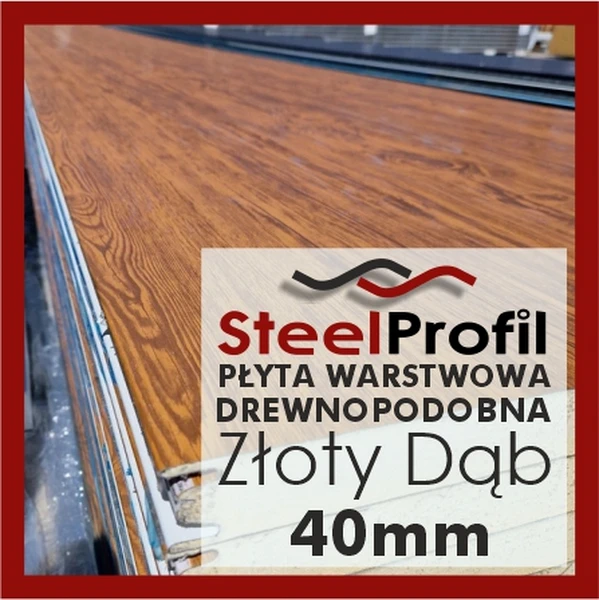
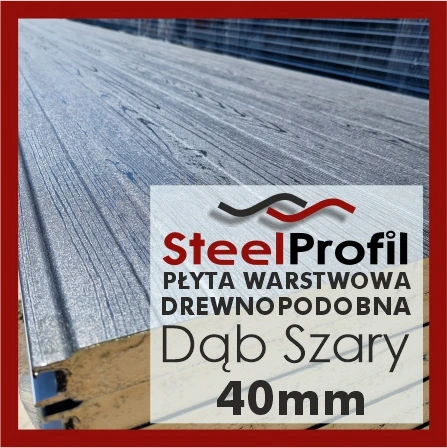
Available lengths, profiles, colours and joints give designers useful options. Openings, corners and junctions need appropriate details, and manufacturing or handling limits still apply. Compare the achievable programme with transport, access and the installation team in mind.
Energy costs and financial value
Good thermal insulation can reduce energy losses. Actual savings and payback depend on the alternative construction, building use, climate and energy costs. They should be estimated for the project rather than promised as rapid repayment of every panel purchase.
Environmental assessment also includes manufacture, transport, expected life and disposal or recovery. Product documentation can support an assessment, but choosing panels does not automatically grant a green-building certificate.

Compare the complete building solution
Sandwich panels can offer a practical combination of insulation, enclosure and a finished surface. Their most useful benefits emerge when the panel is selected for the project and its installation is planned as part of the whole building.
Set out the required thermal, acoustic, fire and structural properties before comparing offers. Then consider dimensions, appearance, delivery, labour, accessories, maintenance and possible end-of-life routes.
The right decision may favour panels for a particular hall, warehouse or other suitable building. It should follow those requirements and costs, rather than unsupported claims that every panel exceeds every traditional construction method in all respects.