At a glance
Sandwich panels can form weather-resistant roofs and walls when the product and complete system are selected for the exposure. Their performance comes from the facings, protective coatings, core, joints, fixings and installation details together. A panel is not automatically waterproof in every situation, immune to UV ageing or suitable for any climate simply because it has several layers. This guide explains moisture, rain and sunlight as separate considerations and shows why the condition of the actual panel, including a second-grade batch, needs to be checked before making claims about the finished building.
Moisture: protect the complete assembly
Moisture can affect building materials and reduce the performance of an improperly detailed wall or roof. A sandwich panel’s metal facings help protect its core, but openings, damaged areas, cut edges and connections still need appropriate treatment.
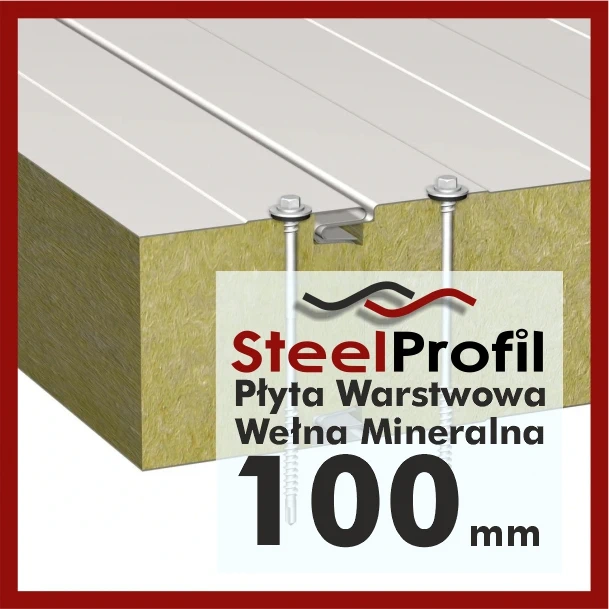
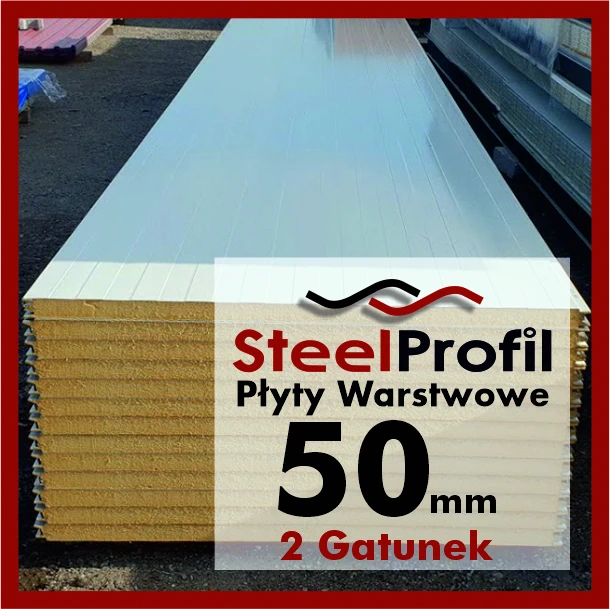
Each component has a role: the outer facing and coating resist exposure, the core provides insulation, and the joints connect the panels into an enclosure. That layered construction is useful, but it does not itself guarantee resistance to flooding or condensation.
Use the appropriate product for the location and follow its storage and installation instructions. A well-protected panel can still be compromised by an unsuitable junction or water trapped where it should drain away.
GET A QUOTE FOR PANELS!
Rain and heavy downpours
Roof geometry, overlaps, seals and drainage influence how the enclosure deals with rain. The fact that the outer sheet sheds water does not prove that every joint or opening is watertight. Roof and wall panel details are not interchangeable.
For exposed locations, assess the product and its installation as a system, including the supports and fixings required by the design. Weather resistance should come from the applicable documentation and detailing, not a claim that panels withstand every storm.
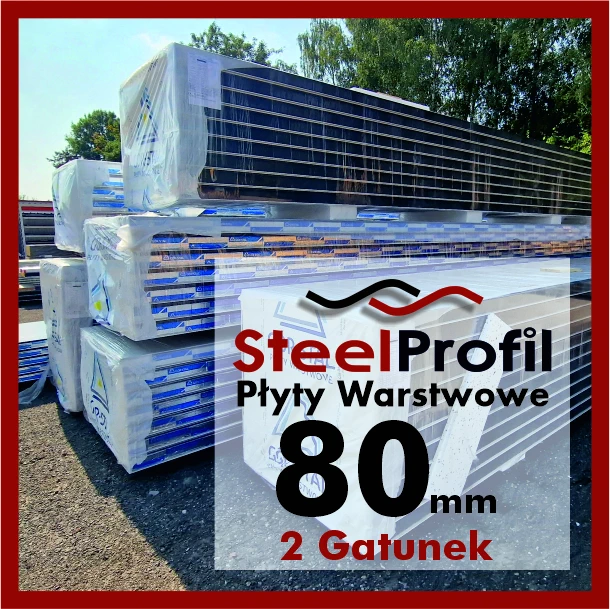
Both first- and second-grade panels must be assessed for their intended use. In a second-grade batch, a damaged facing or joint may matter more to weather performance than a purely visual blemish. The two grades cannot be promised identical protection without examining the actual material.
UV exposure and surface appearance
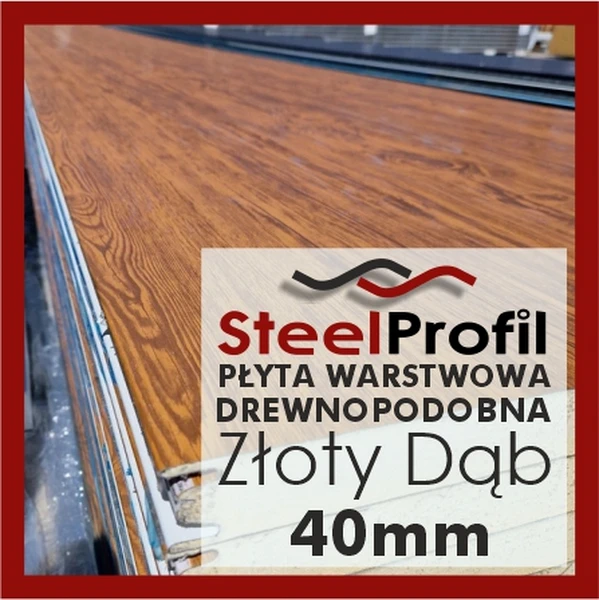
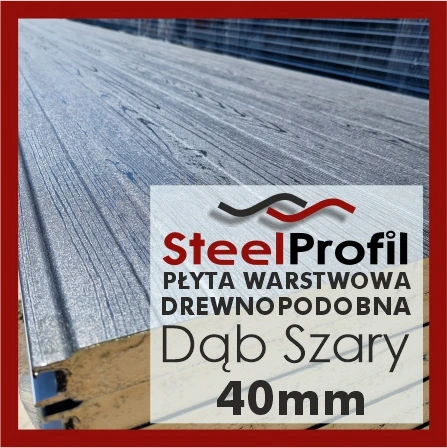
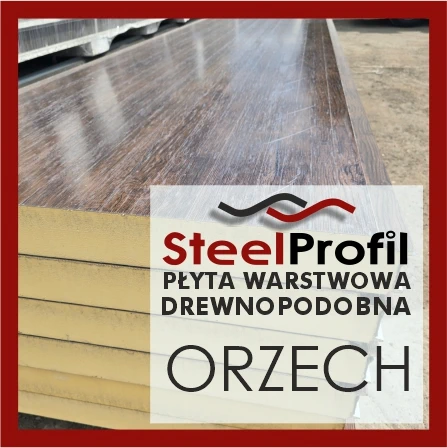
Sunlight can affect the appearance and ageing of organic finishes. Coatings are specified for particular exposure conditions, so check the selected finish’s documented UV resistance and colour warranty. Do not assume that every panel has the same coating or that all finishes absorb or reflect UV in an identical way.
Colour retention and structural performance are different questions. A finish may change in appearance without that alone describing the condition of the complete panel. Conversely, an attractive surface is not proof that the joints and fixings are sound.
Panels in strongly sunlit locations
Exposure, colour and panel dimensions need to be considered together. The manufacturer’s restrictions for the chosen system are more useful than a general promise that the panel never degrades in strong sunlight.
Inspection and appropriate cleaning help identify changes or damage. Choose a finish suited to the environment and the appearance required, while retaining realistic expectations about ageing and maintenance.

Choosing for the actual conditions
Sandwich panels are worth considering for roofs and walls exposed to variable weather. Specify the core, facings, finish, joints and intended application, then check how the complete assembly will deal with moisture, rain and sunlight.
Durability follows from suitable selection, installation and upkeep. It cannot be guaranteed for every extreme weather event by the product family name alone. Discuss the location and requirements with the supplier and designer so that the quotation relates to an identifiable system.