Aluzinc: coating, properties and applications
At a glance
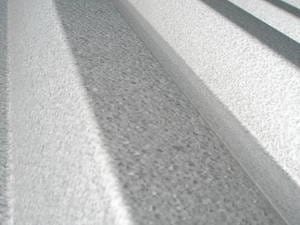
Aluzinc is a name associated with steel sheet protected by an aluminium-zinc alloy coating with a small silicon addition. The coating is separate from the steel substrate and helps resist corrosion in suitable applications. Such sheets are used for roof and wall cladding and for selected appliance or ventilation components. This guide explains the coating’s composition, surface protection and limits. The original November 2010 article described particular coating and treatment examples; their figures must not be treated as a specification for every product sold under a similar name or as proof of suitability in every environment.
Composition and development
The coating family is commonly described by its approximately 55% aluminium content. The original article gave 55.0% aluminium, 43.4% zinc and 1.6% silicon. Other technical descriptions use slightly different nominal proportions, so the exact product specification remains decisive.
The commercial 55% aluminium-zinc coating was introduced in 1972. This is historical context, not evidence that a particular country or supplier still holds a stated market position.
Corrosion protection and reflection
The aluminium-rich and zinc-rich parts contribute different protective functions. Performance depends on the coating, exposure, contact materials and detailing. It is not correct to rank it above every galvanised or organically coated sheet in every environment.
A reflective surface can influence solar heat absorption, but indoor temperatures depend on the whole roof, insulation, ventilation and use. Reflectivity is not a substitute for thermal insulation.
Temperature and additional surface treatment
The 2010 text referred to resistance up to 300°C for a coating. That statement must not become a general service-temperature limit for every coated sheet, added organic layer or complete roof assembly. Check the documentation for the actual product and exposure.
The article also described a transparent acrylic treatment called SPT Easy Film, with a stated thickness of 0.7–1.3 micrometres. This is a historical treatment example, not a layer present on every Aluzinc product. Thin organic treatments can help with handling marks and temporary protection, subject to the particular specification.
Confirm preparation and paint compatibility before applying another finish. A surface treatment does not automatically make every edge maintenance-free or permit any paint to be applied immediately.
Ask about materials for your project
Tell us which material you need, the quantity and delivery location. The SteelProfil team will help prepare an offer for your inquiry.
Phone: +48 500 409 109
REQUEST A QUOTE!