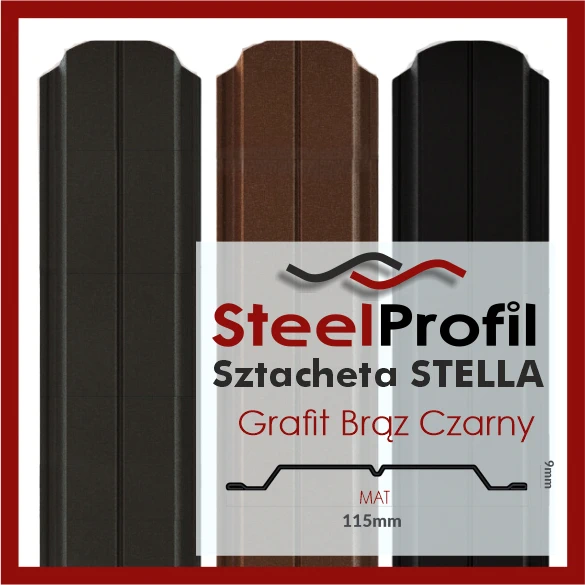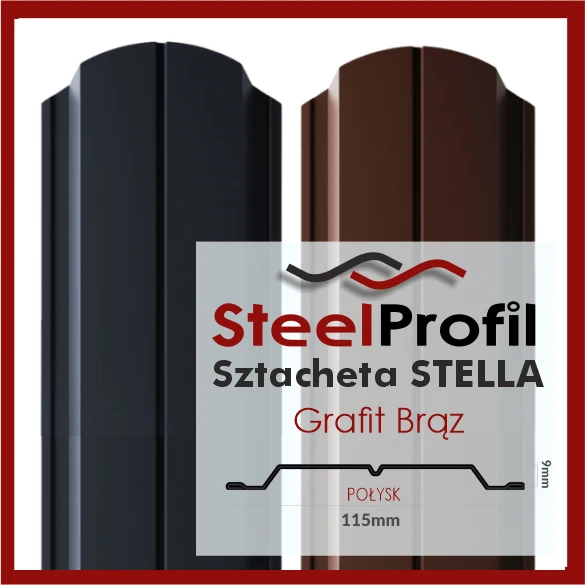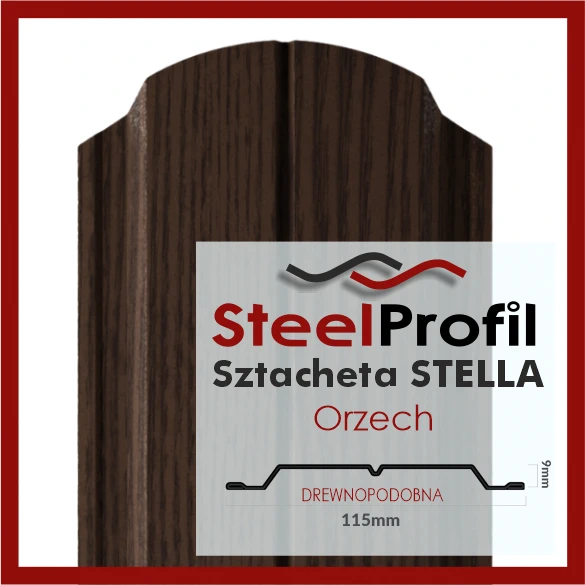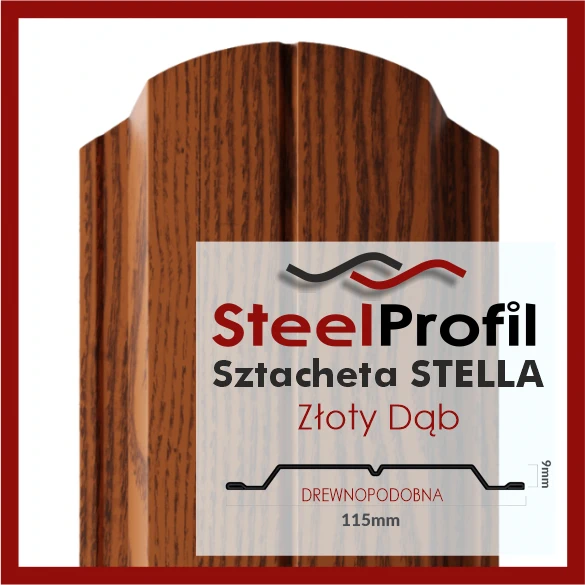
At a glance
A fence defines a property’s boundary, contributes to its appearance and helps control access. Choosing one means balancing privacy, cost, maintenance and the style of the house. Timber, mesh, masonry, panel systems, gabions, metal sheets and composites offer different combinations of those features. This guide compares the main options and explains why the complete system, including posts, supports, gates and protective finishes, matters more than the infill price alone. A modern panel fence is one useful option, but neither its material nor its appearance automatically makes it the best choice for every plot or a maintenance-free security barrier.
Main fence types
- Timber: a traditional appearance with boards or pickets; protective treatment and periodic refinishing need to be allowed for.
- Mesh: often economical and useful for temporary or permanent boundaries. It allows views through the fence, which may not suit a privacy requirement.
- Masonry: concrete blocks or brick can form a solid wall, with render, stone or clinker finishes. Foundations, labour and construction time contribute to the cost.
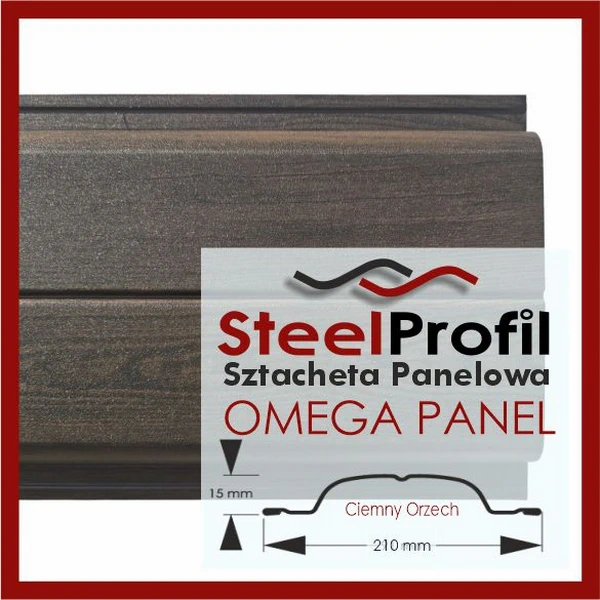
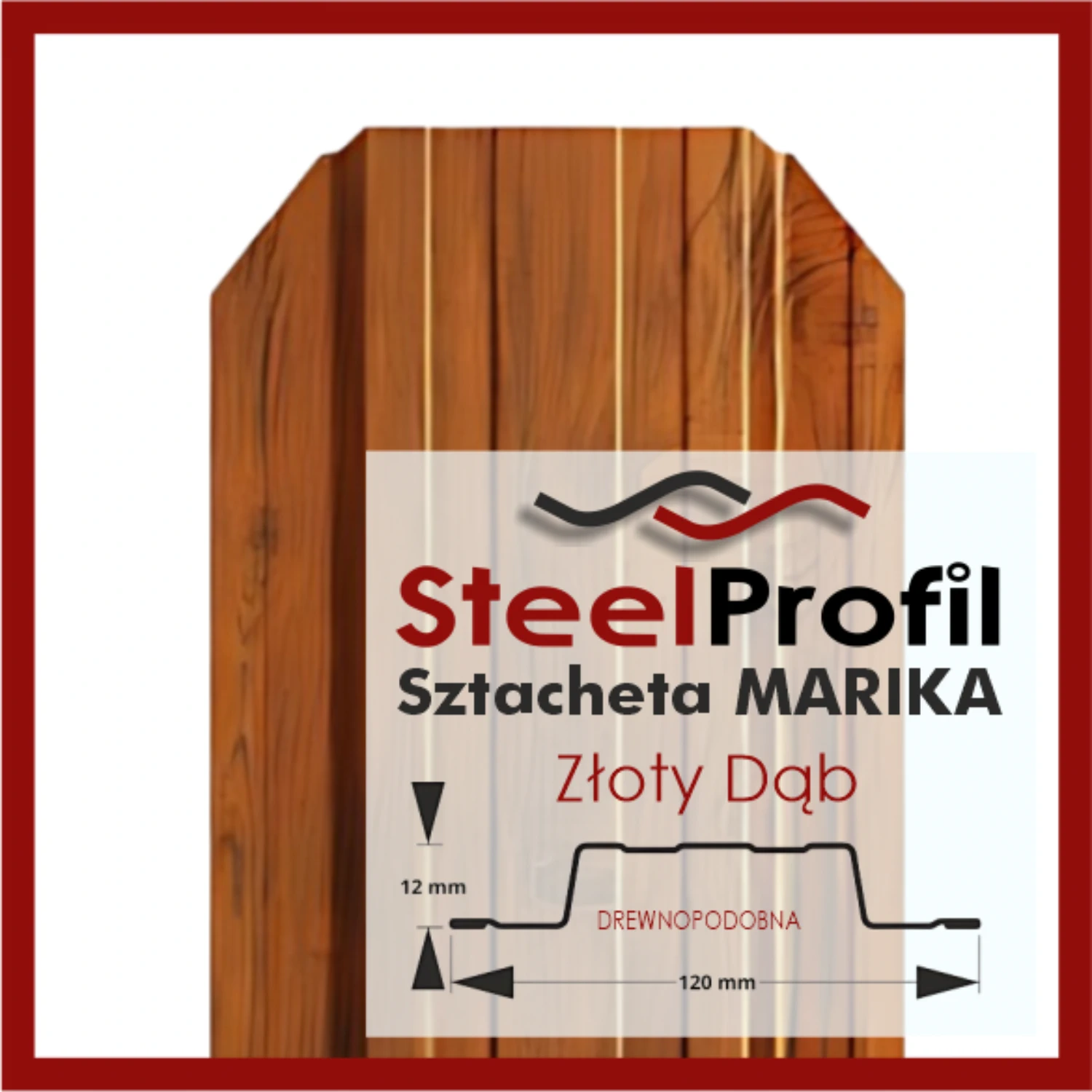
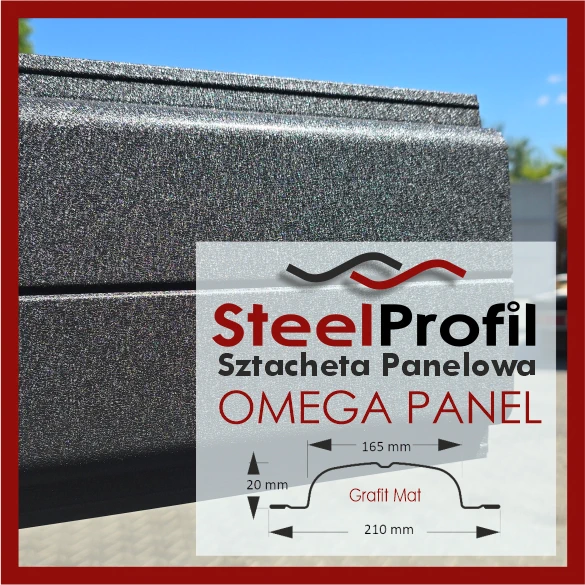
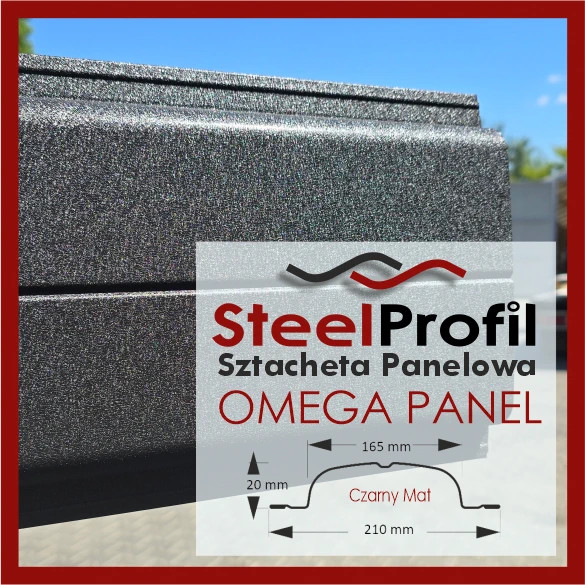
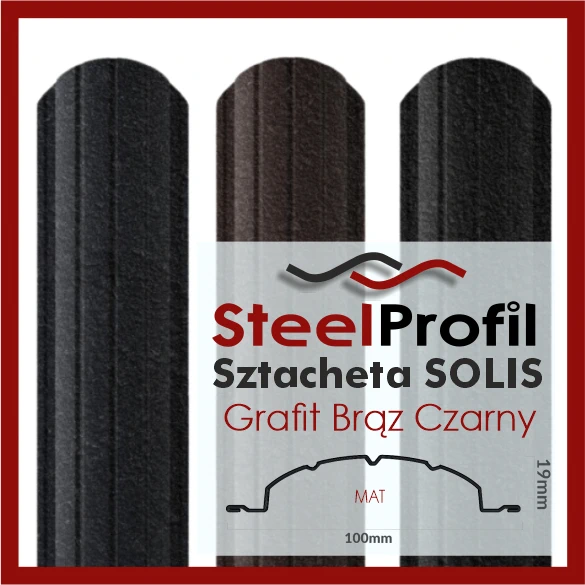
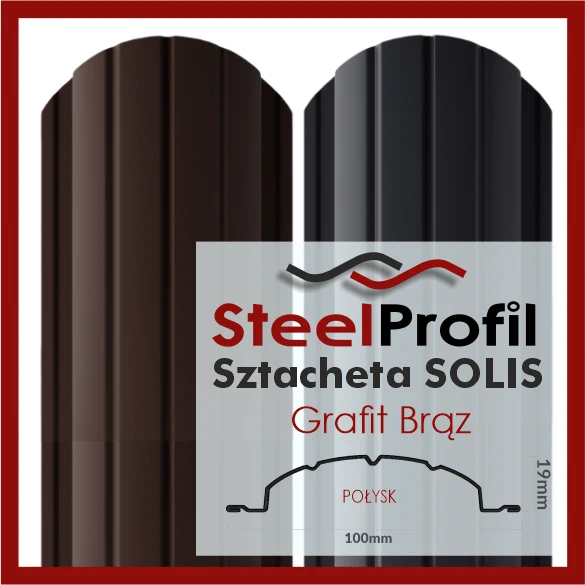
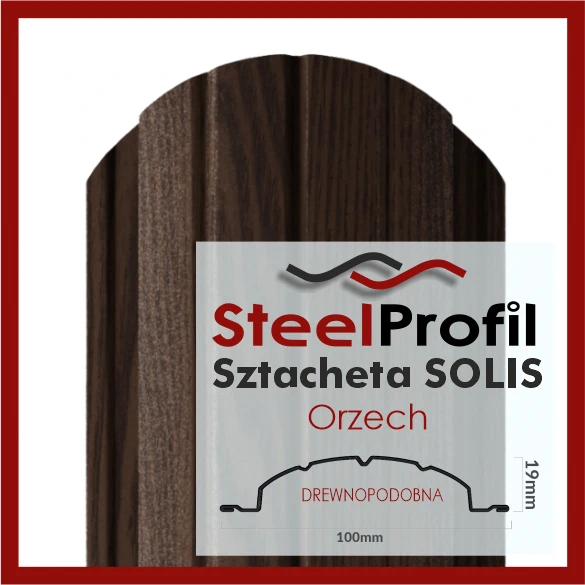
- Panel systems: these range from rigid mesh to steel or aluminium picket and slat panels. Different colours and vertical or horizontal layouts provide substantial design choice.
- Gabions: metal baskets filled with stone can form walls, bases or posts, sometimes combined with metal infill.
- Decorative metalwork: forged-style elements can suit traditional buildings. Their finish and maintenance requirements should be included in the comparison.
- Metal sheets: trapezoidal sheets are often used for construction-site boundaries where an opaque screen is useful.
- Composites: ready-made elements can combine wood flour with a plastic binder, including PVC in some products. Check the composition and installation requirements of the actual system.
GET A QUOTE FOR FENCING!
Match the fence to the setting
The range covers many styles and price levels. Compare the fence with the house, neighbouring development and the way the plot will be used. A contemporary layout may be appropriate even beside a traditional house, but privacy, access and the complete installed cost should be considered alongside appearance.

Modern panels or a traditional boundary?
Steel and aluminium panels offer different combinations of weight, strength and corrosion behaviour. Protective finishes, such as suitable organic coatings, can reduce maintenance, but do not eliminate inspection, cleaning or attention to damaged areas. The finished system’s performance depends on its dimensions and design as well as the base metal.
Vertical and horizontal layouts, coloured finishes and wood effects make panel fences adaptable. Masonry combined with decorative metalwork remains an option where a more substantial traditional appearance is wanted, usually with different foundations and labour requirements.
Before installation, establish the applicable local requirements for the boundary, proposed height, gates and any roadside location. The general statement in an older article should not be treated as a current determination of what a particular site requires. Select the construction and access arrangements for the actual property.