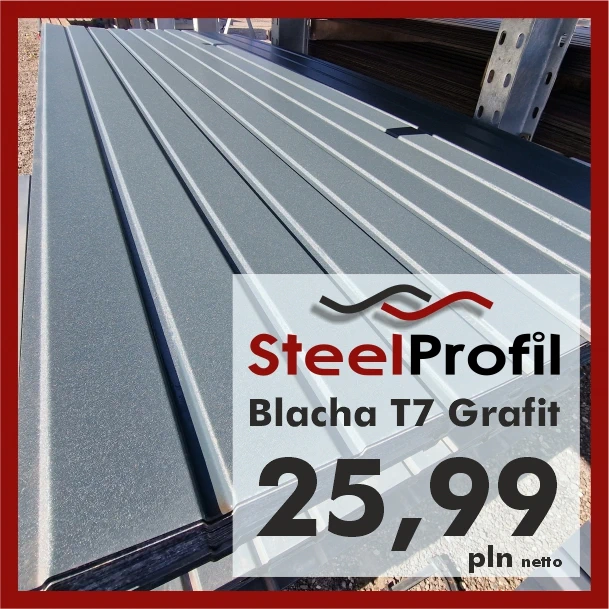










Storing metal roofing sheets correctly before installation helps preserve their appearance and service life. Flat sheets, trapezoidal steel sheets and profiled metal roof tiles need protection from trapped moisture, condensation and handling damage. Plan delivery close to the installation date, keep stored sheets dry and ventilated, and use spacers so moisture can escape. Safe transport and unloading matter just as much: inspect the delivery and record any damage straight away. This article covers the storage conditions, signs of corrosion and handling precautions described for sheet roofing, so that the materials can be kept in good condition before they go on the roof.
How do you store metal roofing sheets safely?
How should you store trapezoidal and flat steel sheets? Plan purchase and delivery so that the sheets spend as little time as possible waiting on site. If installation is delayed, remember these basic storage rules:
- Remove protective film within the period specified for the supplied sheet and film. Prolonged exposure to sunlight or moisture can make removal difficult; do not assume that one two-week limit applies to every product.
- Avoid temperature changes that can cause water vapour in the air to condense.
- Store the sheets indoors with good ventilation.
- Store the sheets clear of the ground on stable supports, using the height and support spacing specified by the manufacturer.
- Separate the sheets with spacers so they can dry.
- If sheets must be stored outdoors for a very short time, position them so water can run off.
- Make sure every sheet is dry before stacking it. Wipe it dry if necessary.
GET A STEEL SHEET QUOTE!
Failure to follow these conditions can lead to white rust on zinc-coated sheets or black corrosion on aluminium-zinc-coated sheets. Damage may initially look minor, but a white deposit on the roof can appear well before the end of the warranty period stated by the sheet or roof tile manufacturer.
Check the storage period and conditions in the instructions and guarantee for the supplied product. A six-month limit is not a universal rule, and the handling of a claim cannot be determined from storage time alone.

How do you avoid damaging sheets during unloading?
Transport from the supplier and safe unloading are also important. These tasks are usually carried out by the supplier’s or manufacturer’s staff, but it is useful to understand the process. Use the packaging, supports and restraints specified for the supplied sheets during transport. Avoid trapping moisture under an unventilated cover when storing them. To support any later claim concerning the sheets, check their condition on arrival and immediately prepare a written record of any damage.
The larger the sheets, the more carefully unloading must be planned. Follow the manufacturer’s handling instructions and select people or lifting equipment to suit the sheet’s size, weight and site conditions. Avoid dragging sheets across one another; use suitable gloves and footwear.
Plan the logistics carefully when building or renovating with metal roofing sheets to reduce the risk of white rust. If work has to wait, for example because of bad weather, follow the storage precautions above. They help prevent white deposits on the sheets so that the covering can be installed after a longer wait. If installation will be delayed, agree suitable storage arrangements with the supplier and check the sheets regularly for trapped moisture or damage.