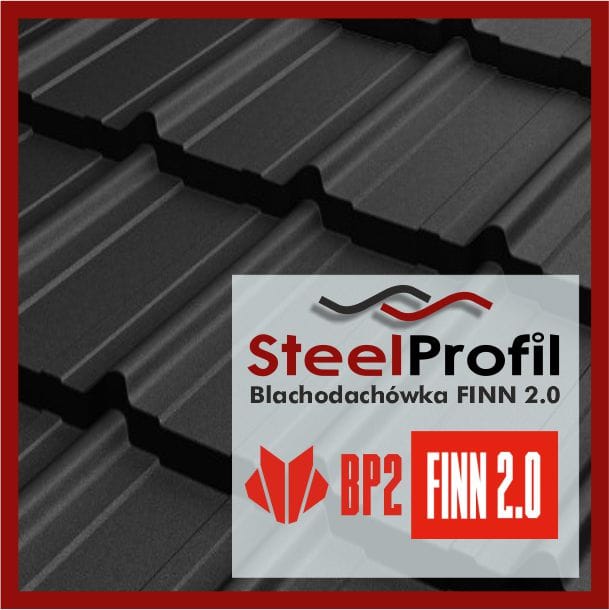



Modular tile-effect roofing consists of relatively small, repeatable metal panels designed to fit together across a roof. Compared with long made-to-length sheets, the format can make handling, transport and planning easier. Some systems have prepared fixing holes or concealed fasteners, but the details depend on the model. Modules can help reduce waste; they do not eliminate the need to plan cuts at roof edges, valleys, chimneys or windows. This article explains the format’s advantages, compares it with other coverings and places the source’s promotional prices in their historical context rather than treating them as today’s offer.
Modern metal-roofing formats
Trapezoidal sheets and made-to-length tile-effect sheets remain established options. Modular tile-effect panels offer another format with several practical advantages:
- Repeatable geometry: matching modules simplify planning. Confirm colour and batch consistency rather than assuming every delivery is identical.
- Efficient installation: some systems have prepared fixing holes and interlocking shapes.
- Less conspicuous fixings and joints: the source gives IZI ROOF and ZET ROOF as examples with screws in recesses, and IZI LOOK and ZET LOOK as concealed-fixing examples.
- Stock availability: standard modules may be available without waiting for made-to-length production.
- Potentially less waste: small modules can make layout planning easier, although cuts may still be needed at edges, chimneys and roof windows.
- Smaller elements: their size changes how thermal movement and surface waviness are managed; installation must follow the system instructions.
Made-to-length sheets may have a lower material price, but require production time and can present different joint and handling considerations.
GET A QUOTE FOR STEEL SHEETS!
Second-grade modular sheets and product choice
The historical source advertised second-grade modular sheets, including material made from coil ends, at the Serock, Błonie and Łódź yards. It mentioned graphite, brown, black and red modules in promotions from PLN 30 gross per module. Treat this as an archived advertised price and confirm the current batch, grade, warranty terms and availability.
Examples of modular roofing ranges
Manufacturers offer modular and made-to-length roofing in many profiles. The source’s examples include IZI and ZET variants, Tigra, Fiord, Modus, Loara, Ren, Szafir and Regle; the Costa, Laguna and Moduline M ranges; and Hyygge, Frigge and Finnera.
The original text described Polish and Scandinavian suppliers. The useful comparison is the specific product’s geometry, finish, fixing method and suitability for the roof, rather than the manufacturer’s name alone.

What are the alternatives?
Modular tile-effect sheets are one of several roof-covering options. Ceramic tiles offer a traditional appearance but can involve higher material and installation costs and a heavier load that must be allowed for in the structural design.
Made-to-length tile-effect sheets offer a related appearance with different handling and installation requirements. Trapezoidal steel sheets can be an economical alternative, particularly where larger sheets suit the roof layout.
Choose the format that fits the building, design and budget. Modular roofing is worth comparing for its handling advantages and range of profiles, rather than assuming one covering is best for every roof.