


At a glance
Clay tiles, concrete tiles and tile-effect roofing sheets offer different ways to finish a roof. The choice involves appearance, covering weight, installation, maintenance and the cost of the complete roof. A heavier tile and a lightweight metal sheet also interact differently with the roof structure, but neither covering replaces the insulation and other layers required by the building. This guide compares the main advantages and limitations of each option, explains why historic lifespan and warranty examples need qualification, and shows how product documentation and the actual roof design can support a more useful comparison than a universal winner.
Clay and concrete tiles
Clay tiles provide a traditional appearance, substantial mass and the possibility of replacing individual damaged units. Their mass can influence thermal and acoustic behaviour, but heat capacity is not the same as thermal insulation.
Some historic clay-tile roofs have survived for more than a century. That does not promise a 100-year life for every current tile or complete roof. Inspect the covering, flashings and other details and follow the product’s maintenance requirements; washing alone is not always sufficient.
Colour variation between fired tiles may require careful mixing during installation. Product weight and overlaps also affect the load: the source gave examples of approximately 35–70 kg/m², not a universal range for every product. The actual roof structure must be checked for the complete load.
Concrete or cement tiles offer another option, often at a different price. Their surface finish, maintenance and any recoating requirements are product-specific rather than subject to one fixed renewal interval.
GET A QUOTE FOR STEEL SHEETS!
Tile-effect roofing sheets
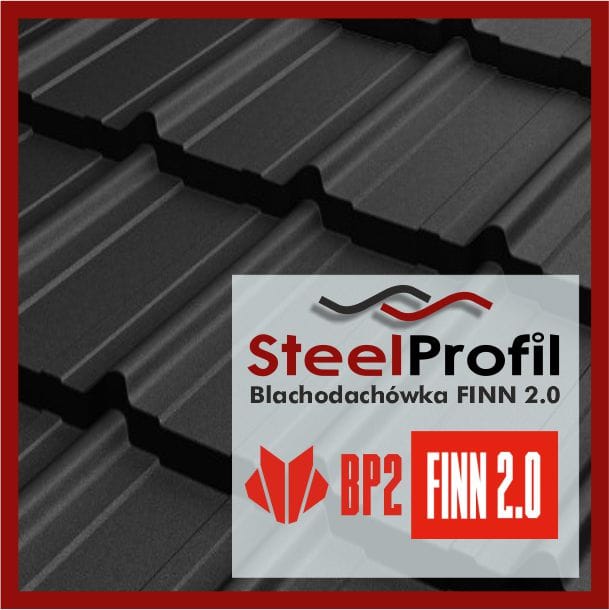
Profiles and colours can reproduce aspects of a tiled roof’s appearance, including versions with concealed fixings. Their generally lower covering weight can be useful in a new design or refurbishment. An existing roof still needs assessment; a lighter covering does not prove that a damaged structure is suitable.
Sheet or modular formats can make installation efficient, although roof shape, cuts, waste and access affect the final cost. Polyester, polyurethane and other specified finishes provide different colour and performance options.
Metal-sheet durability depends on substrate, metallic and organic coatings, exposure and workmanship. The January 2023 source mentioned warranties reaching 50 years for selected products. Warranty scope and conditions are distinct from a predicted service life.
Rain noise and thermal performance should be assessed for the entire roof. Mineral wool, EPS or PIR may form part of a specified assembly, but these materials are not interchangeable solutions for every acoustic, moisture and fire requirement.

Base the decision on the complete roof
Compare the desired appearance with structural capacity, permitted pitch, available details and a complete installed price. Clay tiles may suit one project, while tile-effect sheets suit another; neither is automatically the best choice for every house.
Owners’ reviews and forums can help identify questions about appearance, service and maintenance. Check the model and installation conditions behind each account, and verify technical advice against the product instructions and competent design advice.
Request clear warranty terms and maintenance information. Properly selected materials and careful installation support long-term performance, while regular inspection helps identify damage and junction problems before they become more extensive.