


At a glance
Tile-effect roofing sheets and trapezoidal steel sheets are both lightweight metal coverings, but they suit different visual priorities and roof layouts. Tile-effect profiles are often chosen for homes where a tiled appearance matters. Trapezoidal sheets are practical for large, simple roof areas and are also used on walls, garages and agricultural buildings. The best choice depends on the specific profile, coating, roof pitch, supporting structure and installation details. This comparison explains the main advantages and limitations of each, without assuming that a low covering weight repairs a weakened roof or that every metal sheet has the same warranty.
Advantages and limitations of tile-effect roofing sheets
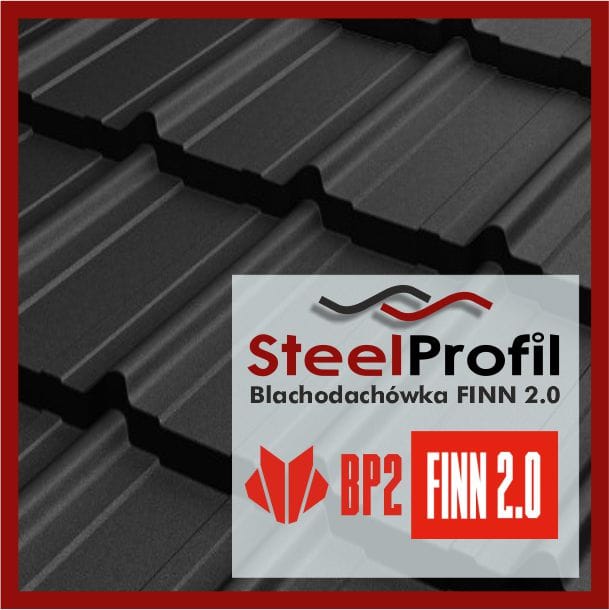
Tile-effect sheets are available as longer sheets or convenient modules. They are widely used on houses and larger residential buildings. Their advantages include relatively quick installation, a choice of colours and wave patterns, and a tiled appearance that can resemble clay tiles, particularly where the design conceals the fixings.
The purchase price depends on the base material, such as steel or aluminium, and its protection. Zinc or aluminium-zinc coatings and organic finishes, including polyester or other polymer coatings, should be compared as part of the complete product specification.
A lightweight covering reduces the covering’s own weight, but the roof structure must still be assessed and designed for all relevant loads. It is not a remedy for a weakened structure. Durability also depends on the chosen product, environment and maintenance; a generic “usual life of 15 years” would not describe all tile-effect sheets accurately.
Rain noise is influenced by the roof build-up. Insulation and other layers affect acoustic and thermal performance; neither can be judged from the metal covering alone. Mineral wool, EPS or PIR products must be used in a suitable roof system. Likewise, the minimum pitch is model-specific. The 9° figure mentioned in the original article must not be applied to every tile-effect profile.
GET A QUOTE FOR STEEL SHEETS!
Advantages of trapezoidal steel sheets
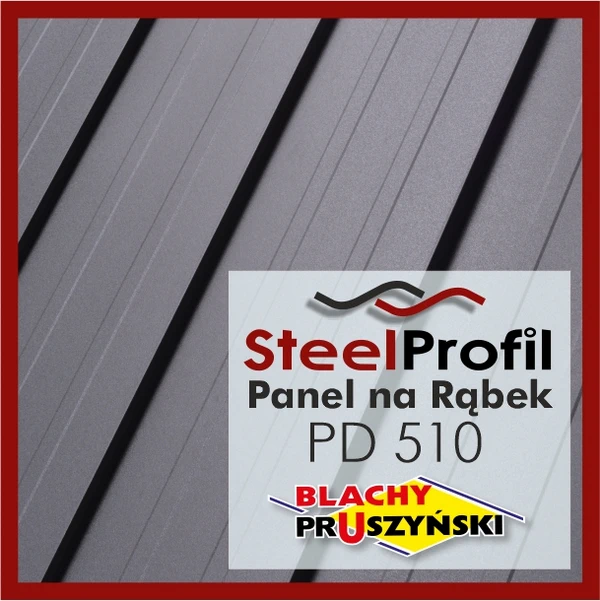
Trapezoidal sheets can be a cost-effective solution for large roof areas with simple geometry. Their low weight and straightforward profile make them useful for warehouses, halls, garages and temporary buildings. Suitable products can also serve as wall cladding or construction-site fencing.
Basic galvanised sheets are often chosen where economy is the priority. Organically coated sheets offer additional colours and a different protective finish. Wood-effect low-profile sheets are also used for soffits where the product is suitable for that application.
Do not treat the original article’s 25- and 50-year warranty examples as universal promises for galvanised and coated sheets. The actual warranty depends on the product, finish, use and written conditions.
The article also gave examples of sheets up to 12 m in steel and 7 m in aluminium. Available lengths must be checked for the selected product. Longer sheets can reduce transverse joints and speed coverage of a simple roof, while requiring appropriate transport, handling and allowance for movement.

Which covering fits the building?
For a house, tile-effect sheets offer an alternative to a traditional tiled appearance. Coated trapezoidal sheets can also suit a residential design, and low-profile versions may be used on soffits. For simple industrial, storage or agricultural buildings, trapezoidal sheets are often attractive because of their straightforward installation and cost.
Drainage, snow loads and resistance to weather depend on the whole roof design, including pitch, supports, fixings and junctions. Neither profile is automatically the best solution for every building.
Open canopies protecting materials from rain can sometimes use lower-cost second-grade trapezoidal sheets. That choice requires assessment of the actual sheets and the structure; second grade does not by itself establish suitability for roofing.