At a glance
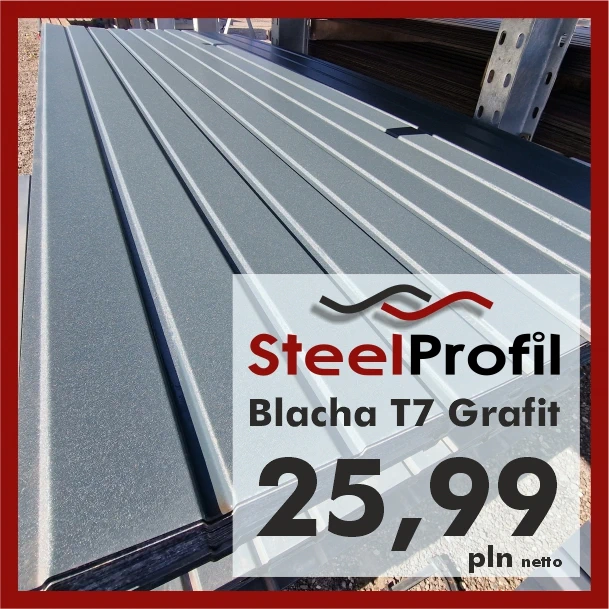
Second-grade trapezoidal steel sheets may offer a lower purchase price for a project where the actual sheets meet the required specification. Temporary buildings, stores, garages and simple shelters can have different appearance requirements from a house, but they still need suitable structural and weathering performance. The reason for second-grade classification must therefore be checked rather than assumed to be harmless. This guide compares common roof coverings, explains how purchase and installation costs interact, and considers when a particular batch of second-grade sheets could be useful without treating every lower-priced sheet as suitable for every roof.
Metal, tile and slate coverings
Roof coverings differ in weight, appearance, installation and maintenance as well as price. Common choices include:
- Standing-seam metal: traditional folded seams and proprietary click systems have distinct joints. Steel, aluminium, copper and titanium-zinc versions have different specifications.
- Trapezoidal steel sheets: profiling increases stiffness and can offer an economical cladding format. Suitability depends on the product and design.
- Corrugated sheets: a different profile option with its own dimensions and applications.
- Tile-effect roofing sheets: profiles resemble roof tiles; concealed-fixing variants change the visual effect.
- Clay tiles: a traditional appearance and potentially long service life, with weight and installation costs to consider. Heat capacity is not a substitute for roof insulation.
- Concrete tiles: another tile system, often competitively priced, but costs and maintenance vary by product.
- Natural slate: a mineral covering whose weight, detailing and specialist installation affect the project.
- Manufactured slate-like products: similar visual effects with product-specific weight and installation requirements.
GET A QUOTE FOR STEEL SHEETS!
Other roof-covering families
- Bituminous shingles: a flexible covering with specified substrate and installation requirements; lifespan varies by product and conditions.
- Wooden shingles and other timber coverings: distinctive appearance, with maintenance and exposure requirements to plan.
- Thatch: straw or reed can suit particular building styles and requires appropriate design and specialist care.
- Waterproofing membranes: specified systems can form exposed waterproofing on suitable flat roofs.
- Bituminous roofing membranes: traditional systems available in different grades and installation methods.
- Roof-integrated photovoltaic systems: purpose-designed solar elements form part of the roof covering. Ordinary panels are not automatically a substitute for a complete roof.
Compare the whole installation rather than ranking these families by one material price. Durability, access, maintenance and accessories can change the overall cost.
What second grade means for a simple roof
Second-grade sheets may have different reasons for classification, such as appearance or dimensional issues. Ask for the actual condition, dimensions and applicable documentation. A thickness deviation can affect capacity and is not automatically harmless, even on a simple roof.
Potential applications include suitably designed garages, stores, temporary shelters, wall cladding and fence or gate infill. Each still has relevant loads, fixings and exposure. A lower appearance requirement does not remove these checks.
Using one suitable sheet family for several tasks may simplify ordering and logistics. Whether it reduces cost depends on available sizes, waste, handling and installation. Neither the lowest price nor satisfactory performance is guaranteed solely by the second-grade label.
Compare the options for the actual building
All the covering families described above remain possible starting points. For a house, the decision often centres on clay or concrete tiles versus tile-effect sheets, but the surrounding architecture, budget and roof structure matter as well.
Other owners’ experience can identify useful questions. Verify advice from forums against the actual product documents and competent project advice; an anonymous opinion is not a technical specification.

Tiles or tile-effect sheets?
Clay and concrete tiles offer an established appearance and substantial mass. The structure must carry the complete load. Their acoustic behaviour depends on the roof assembly, and thermal mass does not replace insulation. Maintenance, cleaning and any coating work should follow the actual product’s requirements rather than a universal two- or three-year interval.
Tile-effect sheets usually have a lower covering weight and can offer useful format and colour choices. Price and installation speed depend on the roof shape and product. The substrate and protective finishes influence durability.
The source mentioned warranties reaching 60 years for some products. Such a term is product- and condition-specific, not a promised lifespan for every metal roof. Rain noise and heat transfer must be addressed by the complete roof build-up; adding an arbitrary layer of wool, EPS or PIR does not automatically meet every requirement.
Choose between coverings using the design, full cost, desired appearance and documented performance. Consider second-grade sheets only when the particular batch meets the intended use.