







At a glance
The thickness of a rigid-foam insulation board affects its thermal resistance, but it is only one part of selecting an insulation system. The exact material, declared conductivity, facing, loading and complete wall, roof or floor must also be considered. This guide discusses the original article’s 20, 40, 60 and 80 mm examples without treating them as universal recommendations. It explains why greater thickness does not automatically provide sound absorption, structural reinforcement or protection against every thermal bridge. A suitable choice follows from the required performance and construction details, together with available space, installation and complete project cost.
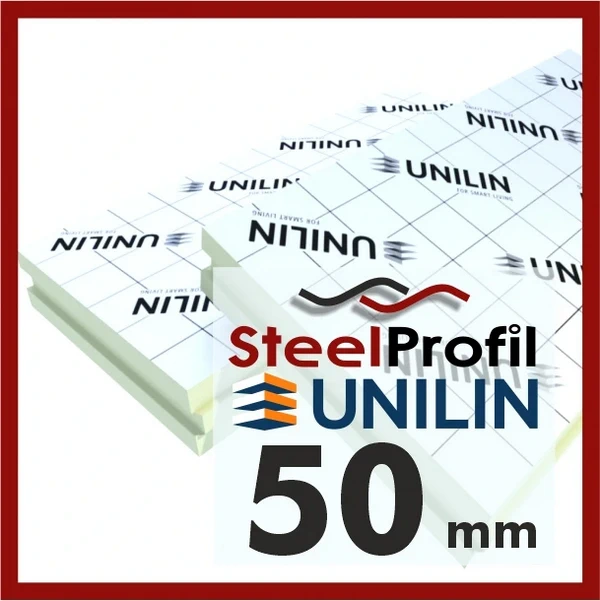
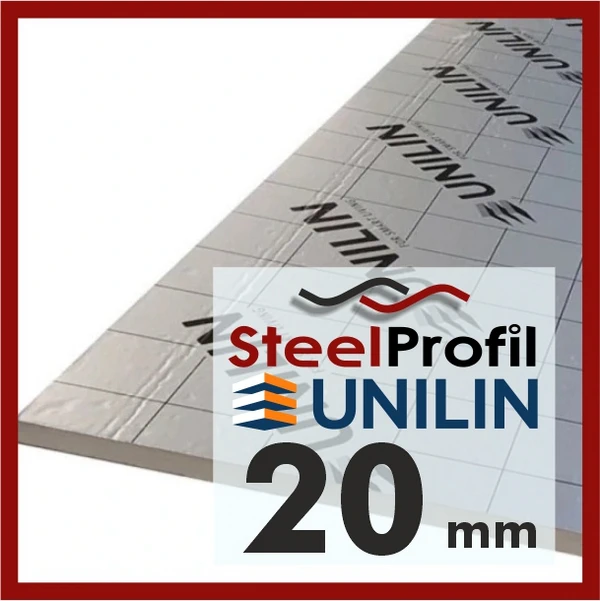
20 mm: a thin layer for a defined purpose
A 20 mm board may have a role in a specified detail, but it is not universal insulation for every wall, ceiling or floor. Compare the contribution it makes to thermal performance with the complete requirement.
A thermal board is not automatically a suitable surface-levelling product. Its use beneath finishes requires compatible support and loading. Likewise, sound insulation and absorption need separate assessment.
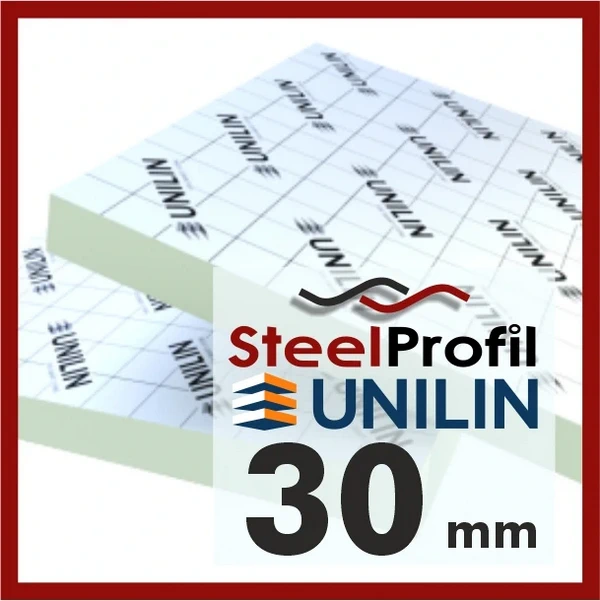
40 mm: compare resistance, not a performance slogan
For the same conductivity, 40 mm provides more thermal resistance than 20 mm. It does not automatically meet the needs of an energy-efficient building or represent the highest achievable insulation level.
Chemical additives do not eliminate all thermal bridges or guarantee that condensation and mould cannot occur. Junctions, moisture conditions and the complete construction remain decisive.
GET A QUOTE FOR PANELS!
60 mm and demanding conditions
A 60 mm product may suit a particular roof, wall or floor design, but thickness alone does not establish its structural strength, density, acoustic performance or suitability for extreme temperatures.
Check the actual product’s loading, temperature and application limits. Increasing thickness is not a substitute for specifying the correct board.
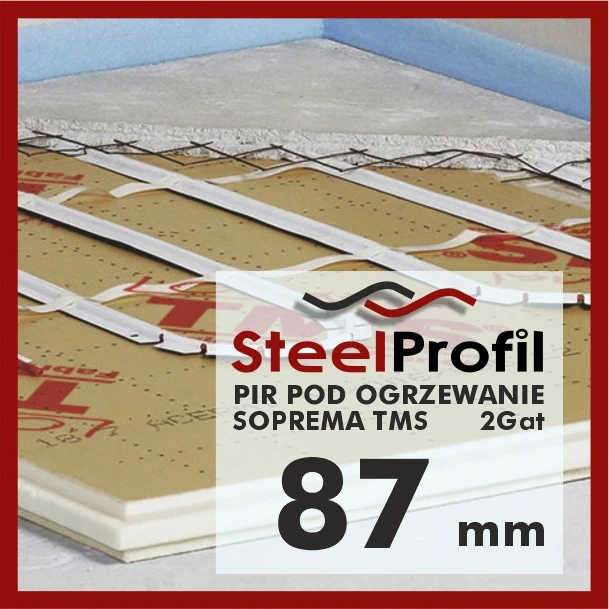
80 mm and greater thicknesses
80 mm is another available design option, not an extreme or universally sufficient insulation thickness. The required resistance may call for more or less, depending on the material and assembly.
A thicker suitable layer can contribute to lower energy demand. The actual saving and environmental benefit depend on the original building, energy system, use and complete life-cycle assumptions.
Mechanical ventilation and thermal insulation have complementary roles. An 80 mm board does not by itself guarantee an efficient ventilation system or eliminate every thermal bridge. Plan the envelope, air-control layers and building systems together.

Decide from the specification
Identify the intended application and target thermal performance, then compare actual declared products. Consider available space, compressive behaviour, moisture, fire requirements and compatible finishes.
Acoustics and weather protection should be checked separately. They do not follow automatically from the thickness of a rigid-foam board.
Technical advice can help compare available options and details. Agree the quantities, dimensions and installation method before ordering, and use a project-specific calculation where required. A suitable thickness supports performance; it does not guarantee every aspect of durability, comfort or operating cost on its own.