


At a glance
EPS and XPS are different polystyrene insulation families. EPS is expanded polystyrene, commonly supplied as white or graphite-enhanced boards; XPS is extruded polystyrene with its own product ranges and properties. Neither name alone proves suitability for a façade, foundation, roof or floor. Selection depends on thermal resistance, moisture exposure, loading, fire requirements and the complete system. This guide explains specialist board forms and their typical roles, then outlines how to compare products and delivered cost. It corrects the source’s conductivity unit and avoids treating every grey board as the same material or every rigid board as an acoustic solution.
EPS board forms
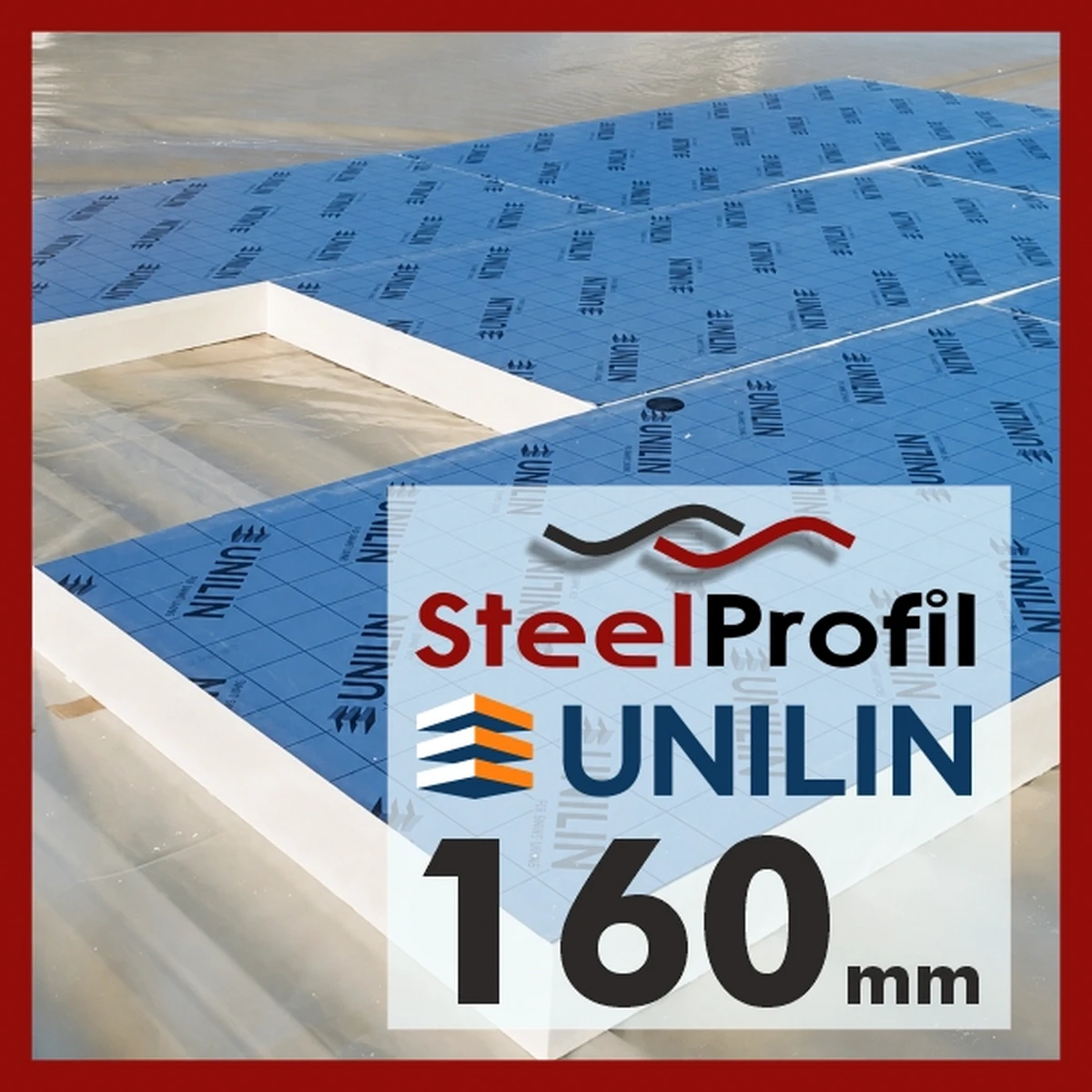
EPS contains a high proportion of air within its foam structure; the exact proportion varies with density. Specialist products can include resilient acoustic boards, profiled or grooved boards, perforated boards and factory-bonded composites.
Acoustic grades are intended for specified constructions such as floating floors. A grooved or perforated surface does not by itself establish moisture safety, suitability between rafters or use in a timber frame.
Composite products may combine insulation with bituminous layers, timber-based boards, plasterboard or drainage-facing materials. Each has a particular intended use and fixing arrangement. A plasterboard-faced insulation panel is not automatically a complete partition.
How XPS differs
XPS is extruded rather than expanded polystyrene. Suitable grades are often considered where water exposure and compressive performance are important, but their documented limits still apply.
XPS is not better than every EPS product for every purpose. Compare the exact thermal, water-absorption, loading and system requirements. Neither material replaces a required waterproofing layer.
Ask about affordable EPS and XPS insulation
Façades
Select an EPS board approved for the intended façade system. The source quoted a broad conductivity range of 0.031–0.045, but used the wrong unit: conductivity is expressed in W/(m·K), not W/m².
Graphite-enhanced EPS can achieve a lower conductivity than some white EPS products. Whether it allows a thinner layer depends on the actual declared value and the target resistance. Follow handling and installation instructions for the selected system.
Foundations and below-ground use
Use insulation specifically suitable for the expected ground moisture, water exposure and loads. This may be an appropriate XPS or specialist EPS product.
Check the full waterproofing and drainage arrangement. A general claim of low water absorption is not enough to establish suitability at every depth or groundwater condition.

Flat and pitched roofs
Specified EPS boards can provide insulation in suitable roof systems. Tapered boards may create the designed falls on a flat roof, working with the waterproofing and drainage layout.
Pitched-roof applications require compatible supports, fixing, fire and moisture details. The fact that wool or PIR is used in other roofs does not establish the right material for this one.
Floors
Choose the required compressive and long-term deformation properties for the floor build-up and loads. The aim is not a promise of zero deformation under any load.
Thermal floor insulation and impact-sound insulation are different functions. Hard load-bearing EPS or XPS is not automatically a resilient acoustic layer. Ground floors and floors above unheated spaces also need appropriate moisture and edge details.
Compare suppliers on the same basis
Local suppliers in places such as Warsaw, Łódź, Błonie or Legionowo can be found through directories, recommendations and enquiries. Search terms and forum opinions do not by themselves establish product quality.
Compare exact designation, thickness, coverage, declared properties, delivery and condition. The lowest pack price may not give the lowest cost for the specified insulated area.