









At a glance
Sandwich panels offer a practical way to combine an outer and inner facing with insulation, but successful use depends on the complete design. Five recurring questions concern condensation, fire performance, panel thickness, installation and environmental impact. Each can be addressed by choosing an identified product, checking the relevant documentation and planning the assembly correctly. This guide explains what to ask without promising that a panel eliminates all condensation, gives every building the highest fire resistance or can be installed safely without experience. The aim is to resolve the actual project requirements before ordering.
1. Condensation and moisture
Condensation occurs when moisture in the air meets conditions that allow it to condense. Insulation, joints, thermal bridges and the indoor environment all affect the risk. A well-insulated panel alone cannot guarantee a condensation-free building.
What to do: assess the full roof or wall build-up and its junctions. Choose the required thermal performance and detail the connections appropriately. Discuss the use of the building and its moisture conditions rather than relying on a general claim that a particular core eliminates the risk.
2. Fire performance
Fire requirements must be matched to the actual product and construction. Reaction to fire of a product and fire resistance of an assembled element are different properties.
What to do: obtain the classification and check its scope, including core, thickness, orientation, spans and details where applicable. Do not infer a resistance time from the core name alone or assume that every panel offered by a supplier carries the same certification.
GET A QUOTE FOR PANELS!
3. Choosing the wrong thickness
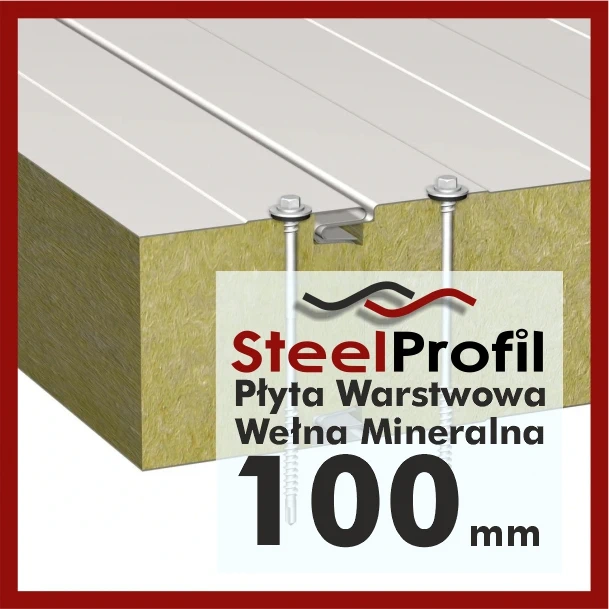
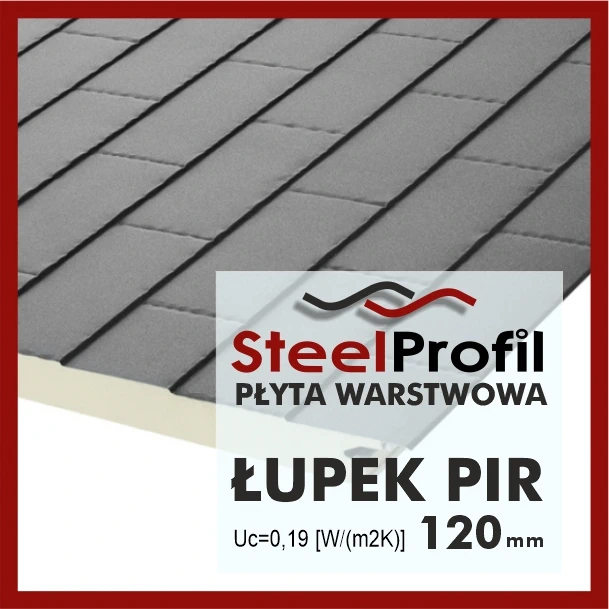
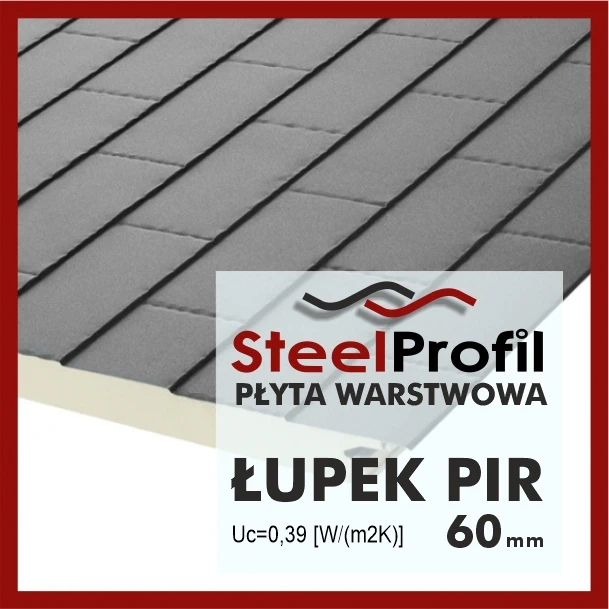
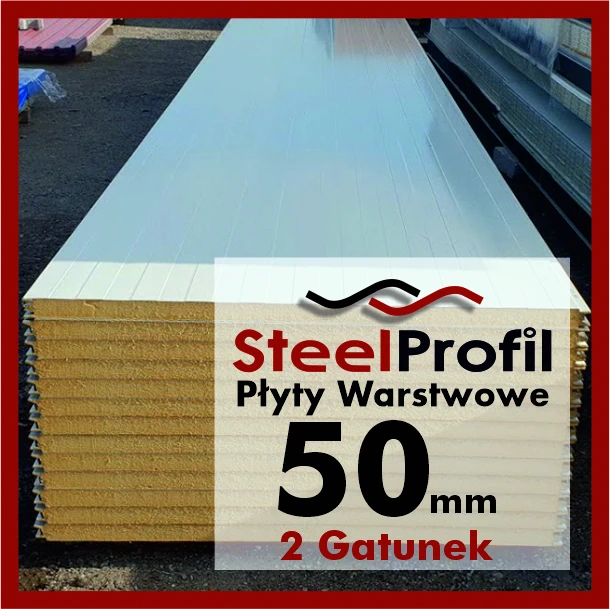
An unsuitable panel thickness can leave the roof or wall short of the required thermal performance. Thickness also needs to be considered with the core, facings and structural arrangement.
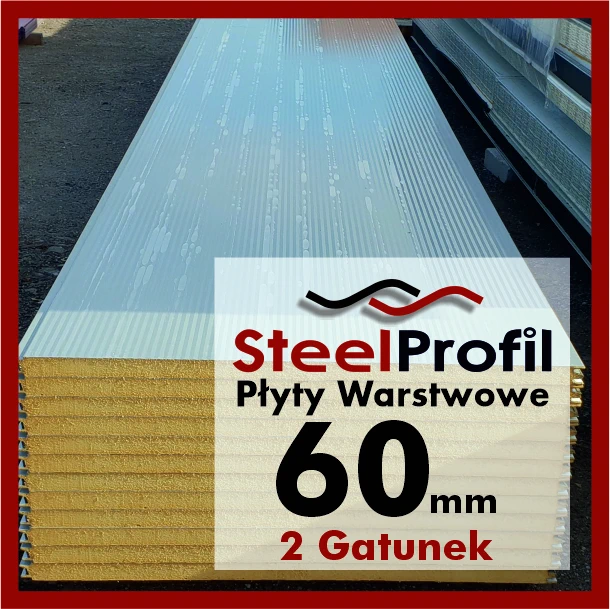
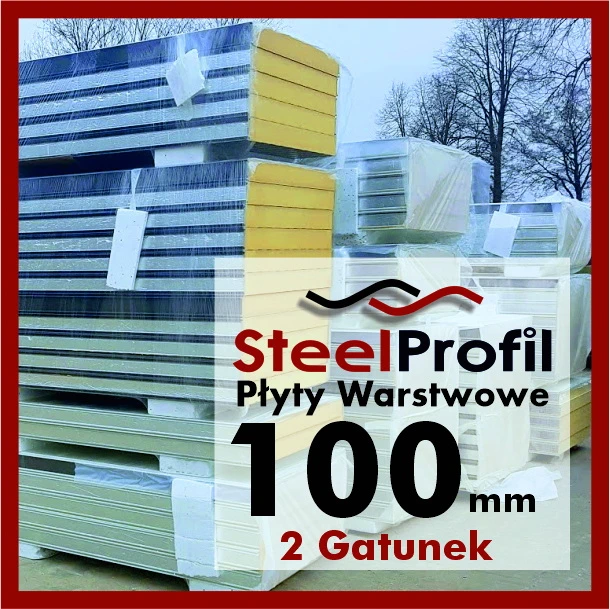
What to do: compare the documented thermal properties of the exact product and assess the complete partition, including joints. SteelProfil can discuss available thickness options; the appropriate selection comes from the project requirements, not from choosing the thickest or cheapest panel automatically.
4. Installation time and complexity
Large panels can enclose an area quickly, but handling, lifting, cutting, fixing and sealing need planning. Different panel systems have different instructions. Ease of assembly is not a reason to assume that an inexperienced person can install a roof without appropriate support.
What to do: plan the delivery, equipment, competent installation team and sequence. Use the manufacturer’s details for the selected panel and agree any technical questions before work starts. This is more useful than claiming an unspecified unique installation system removes every difficulty.
5. Environmental impact
Insulation can reduce energy demand in an appropriately designed building, but environmental performance also includes manufacture, transport, service life and end-of-life treatment.
What to do: ask for product-specific environmental information where available and consider waste, reuse and realistic recycling routes. A general description such as environmentally friendly does not establish a measured benefit for every panel or project.

Turn the questions into a clear specification
Identify the intended application, thermal and fire requirements, dimensions, facings, joints and installation conditions. Then compare products against that specification and request the relevant evidence.
SteelProfil can help discuss the available range and supply options. The final design should resolve condensation, fire, structural and environmental questions at the appropriate level. Choosing documented properties and suitable details is a stronger basis for a durable result than blanket guarantees of safety, comfort or zero maintenance.