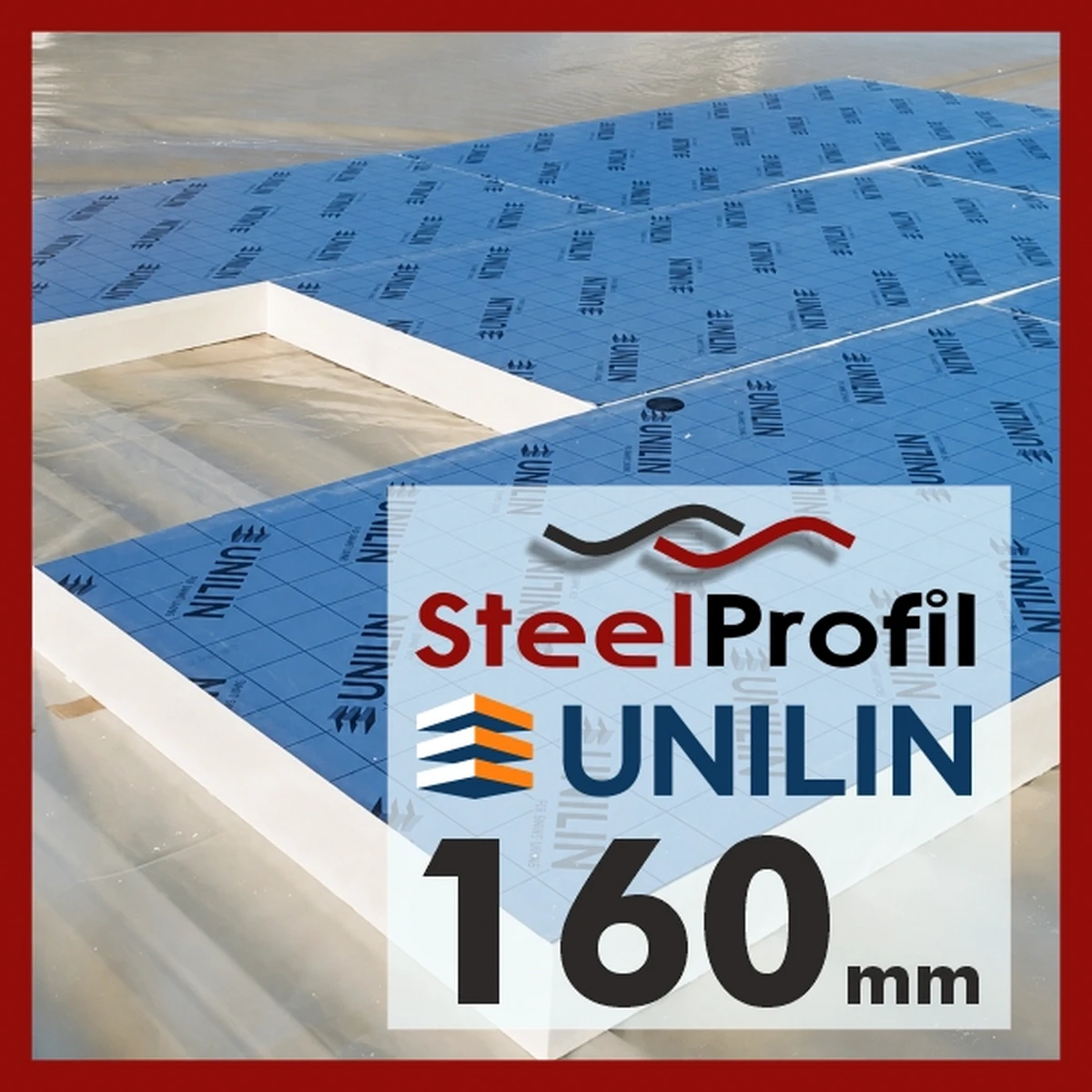



Insulation and air quality
At a glance
Better building insulation can reduce heating demand and, where fuel is burned for heat, help reduce associated emissions. It does not by itself guarantee clean air or remove the need for cleaner heating, correct operation and ventilation. This article separates that principle from unsupported numerical and health promises in the February 2018 source. The saved source also contains an unrelated note about cladding colours; it is retained below as a distinct archive topic, not evidence about smog. Choose insulation by the actual product and complete building design, and use dated official measurements when discussing particulate pollution in a particular city.
Archive note: RAL colours for industrial cladding

The source contrasted white RAL 9010 and grey-white RAL 9002 with metallic-looking RAL 9006 and darker RAL 9007. Its estimates that 90% or 60% of buildings used a particular colour were informal impressions, not a documented market survey.
Compare actual colour samples, coating and finish. RAL 9007 can be considered as an alternative to RAL 9006 where the design calls for it; no colour is inherently more appropriate for every project.
For trapezoidal sheets and flashings, check appearance and compatibility between components. Ask the supplier about actual availability and lead time, including sandwich panels. A historical statement about a few weeks’ supply is not a current promise.
Heating demand and particulate pollution
The source discussed PM10 and PM2.5 during the heating season. Pollution is influenced by emissions, weather and dispersion, so it is not simply proportional to outdoor temperature in every case.
Its figures of more than 150 exceedance days in Kraków and about 40 in Poznań or 60 in Nowy Tomyśl did not identify the measurement year, pollutant and station. They are not presented here as verified current city statistics.
Reducing heat demand can reduce fuel use under otherwise comparable conditions. Cleaner heat sources and proper operation also matter; insulation is not necessarily the single largest local pollution-control measure.

Compare actual insulation performance
The source gave PIR conductivity examples around 0.022–0.023 W/(m·K). That is not a universal value for every board or proof of a 1.5-to-twofold advantage over every EPS, mineral-wool or wood-fibre product.
Use declared resistance at the selected thickness and assess bridges, joints, moisture and the whole element. A facing does not make performance independent of all weather or installation conditions.

The retained comparison graphic is illustrative and is not a design table for a current product.
Comfort without absolute promises
Appropriate insulation can improve comfort and reduce heat loss, but bills depend on the whole building and energy use. It does not eliminate every chimney emission or guarantee that a family will breathe clean air.
Maintain the ventilation required for indoor air quality. Combine a suitable envelope with an appropriate heating system and safe operation rather than relying on one material as a complete environmental solution.
Ask about materials for your project
Tell us which material you need, the quantity and delivery location. The SteelProfil team will help prepare an offer for your inquiry.
Phone: +48 500 409 109
REQUEST A QUOTE!