


Insulation materials used in buildings

At a glance
Thermal insulation materials limit heat flow through building elements. Their declared conductivity is important, but selection also depends on thickness, loading, dimensional stability, moisture, temperature, fire requirements and compatibility with adjoining materials. Common families include EPS, XPS, mineral wool and rigid polyurethane-family products such as PUR and PIR. This guide compares their uses without treating one material as a universal replacement for every other system. The original December 2009 article’s market predictions and percentage comparison are historical statements, not a current specification. The right product is the one that satisfies the requirements of the complete wall, roof or floor.
Material families and typical applications
EPS is expanded polystyrene; XPS is extruded polystyrene. They are related materials with different product ranges and properties. Suitable XPS products are often considered where moisture and loading are important, but they do not replace waterproofing.
Mineral wool includes stone-wool and glass-wool products. Applications include façades, roofs, partitions and other specified assemblies. See the related mineral-wool sandwich-panel information for a distinct product family.
PUR and PIR are not identical materials or synonyms for one installation method. Factory-made boards, metal-faced panels and sprayed insulation must be distinguished. The guide to PUR and PIR explains the comparison further.
Compare complete products
For sandwich panels, the core works with the facings and joints. EPS-core panels and rigid-foam-core panels must be compared using their documented properties.
The source’s claim of a universal 30% thermal advantage does not apply to every product. Compare the actual declared conductivity or complete-panel U-value, including thickness and application.
Compressive behaviour, dimensional stability and compatibility with the substrate also matter. A material suited to one roof or floor is not automatically suitable for a foundation or another loading arrangement.
Fire and acoustic requirements
Fire performance is product- and assembly-specific. PIR does not automatically replace mineral wool in every fire-separating construction. The required classification must be demonstrated for the chosen system.
Thermal insulation and acoustic performance are separate matters. Neither a low conductivity nor a particular core name establishes sound absorption or the sound insulation of a complete partition.
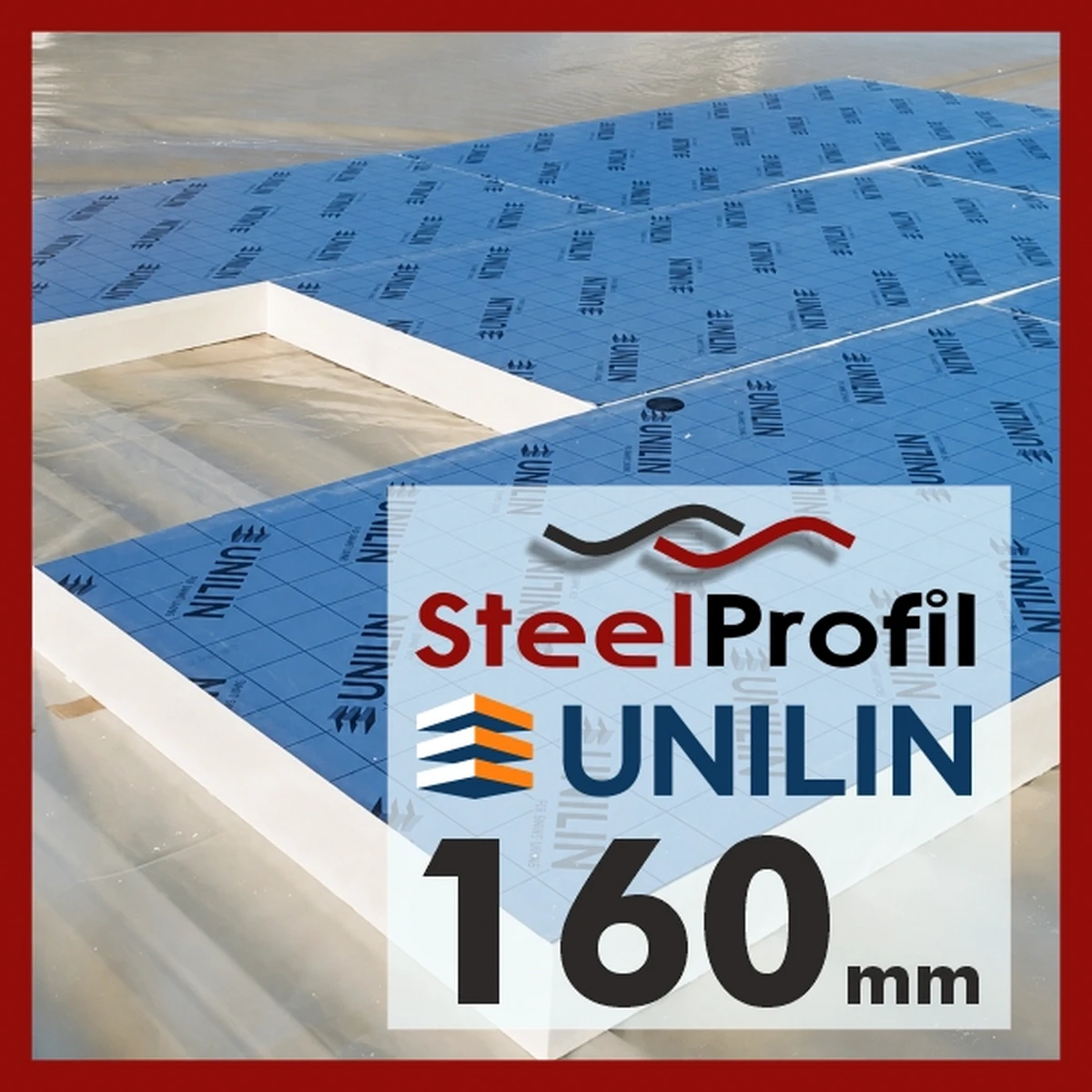
The retained comparison illustration is contextual. Confirm current declared product data rather than using a generic graphic as a design table.
Ask about materials for your project
Tell us which material you need, the quantity and delivery location. The SteelProfil team will help prepare an offer for your inquiry.
Phone: +48 500 409 109
REQUEST A QUOTE!