







At a glance
Temporary fencing helps define a building site, control access and, where solid infill is used, screen the work from view. Mesh, ready-made panels, timber, boards and trapezoidal steel sheets offer different balances of privacy, cost and reuse. The easiest system to erect is not necessarily the cheapest over the whole project, especially when hire periods, supports, gates and removal are included. This guide compares the main options and explains how second-grade sheets may fit a budget without assuming that all defects are harmless or that a fence alone guarantees the safety and security of a site.
Main temporary-fence options
- Roll-out mesh: often inexpensive and straightforward to transport, but it leaves the site visible and provides limited screening.
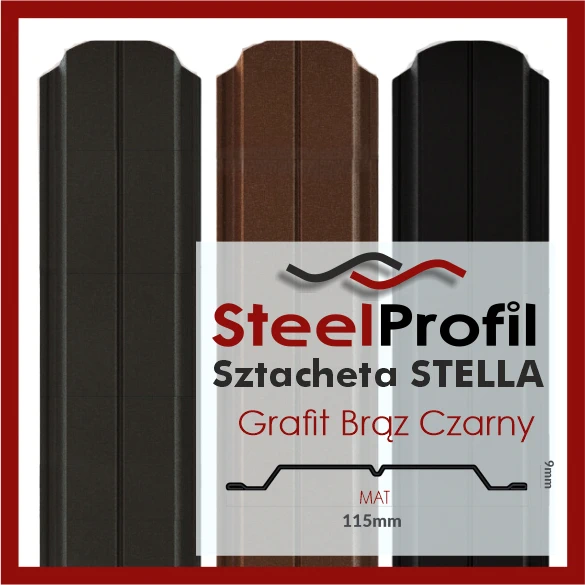
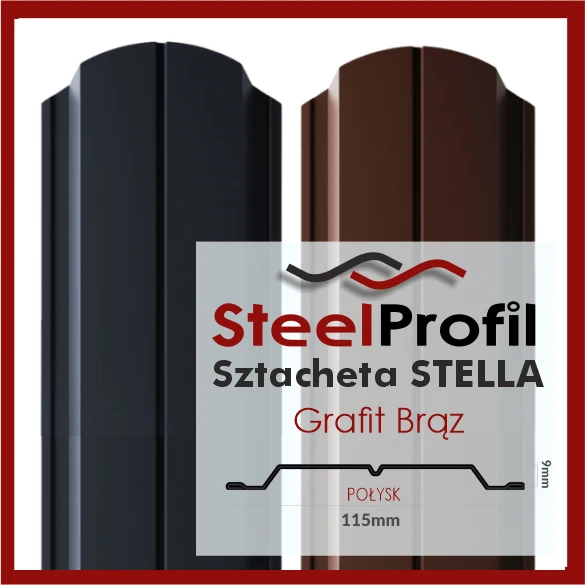
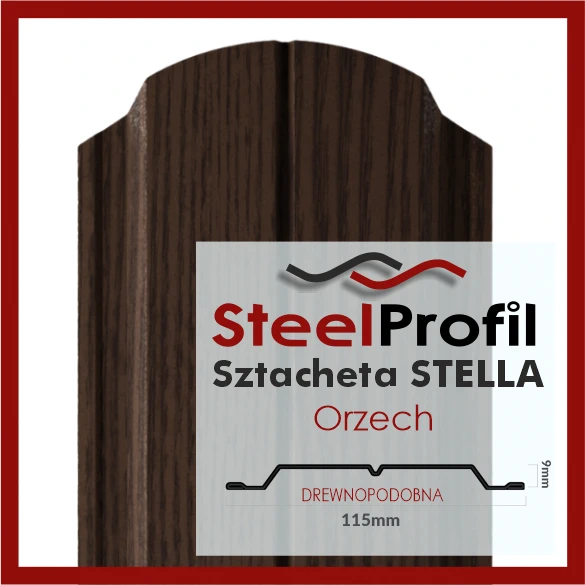
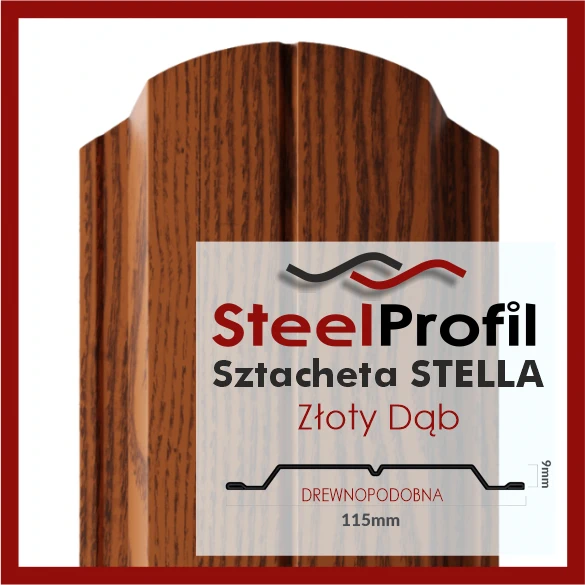
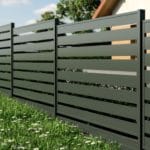
- Trapezoidal sheets: opaque infill can provide privacy and may be reusable after removal. Suitable second-grade sheets can lower the material cost.
- Ready-made panels: rigid mesh or solid panels are supplied with compatible connections and supports. Hire may suit a short project; compare hire, purchase and removal costs for longer use.
- Timber: reclaimed boards may be available on site, but their condition and fixings need checking. New timber costs more; its useful life is not automatically limited to a few months.
- OSB or other board hoarding: it provides a solid surface that can also carry signs, but exposure and the appropriate board system must be considered.
Temporary panels often use freestanding concrete feet. The full support and bracing arrangement must suit the system and site, particularly with solid infill exposed to wind. Movable sections can help with deliveries, provided access is planned and controlled.
Installing the permanent boundary first may be practical on some large plots. On a busy site it risks damage from excavators, cranes and material handling, so compare that risk with the cost of a temporary system.
GET A QUOTE FOR FENCE PICKETS!
When a sheet-metal fence can be economical
Trapezoidal sheets can compete with mesh where an opaque boundary is required. Used or second-grade material may reduce the purchase price, but the condition of the actual pieces matters. Second grade does not mean only a harmless thickness variation.
Suitable sheets can be used as gate infill or reused later in another compatible application. A canopy or storage shed is a separate structure with its own design requirements; a sheet acceptable for screening is not automatically a suitable roof.
Compare the complete fence, including posts, supports, fixings and access openings. A universal claim that sheet metal is always the cheapest or best would overlook the project duration and site conditions.

When is temporary fencing useful?
A boundary can help prevent casual access or unwanted parking even before construction begins. During building work, it can also separate the public from dangerous areas and provide a degree of protection for stored materials and equipment.
The site’s safety arrangements and applicable requirements must be established for the actual work. A fence is one part of those arrangements, not a substitute for controlling access, securing tools and managing hazards.
Ask for a quotation based on the required length, privacy, access and expected period of use. Choosing a suitable material and support system offers a more dependable result than relying on low sheet price alone.