At a glance
Standing-seam roofing joins adjacent metal strips with raised seams that form a recognisable pattern across the roof. A traditional double standing seam uses a mechanically folded joint; a proprietary click panel uses a different locking arrangement. Both deserve consideration for suitable roofs or façades, but their permitted slopes, supports and detailing are not interchangeable. This guide explains the principal joint types, steel and other metal options, protective finishes and installation questions. It also separates product warranty examples from a guaranteed service life, so the choice can be based on the actual system and complete project cost.
Appearance and practical advantages
Raised seams can create a simple, regular roof surface. Similar metal finishes may extend onto a façade, including carefully designed roof-to-wall transitions. Suitability for a low slope must be established for the exact system and details; standing seams are not a universal permission to use metal at any pitch.
Folded edges join neighbouring strips and contribute to weather resistance when correctly formed and detailed. Water management also depends on junctions, penetrations, substrate and installation. Material, coatings and workmanship influence service life and maintenance.
The February 2023 source cited warranty examples of 15, 20, 30 and 50 years. These were different product terms, not one standard lifespan. Check what a warranty covers and the conditions attached to it.
Rain noise and heat transfer need consideration in the complete roof build-up. Appropriate insulation and other layers can address design requirements, but sheet metal alone is not thermal or acoustic insulation. Clay tiles have different mass and behaviour; that does not make them a replacement for an insulation layer either.
GET A QUOTE FOR STEEL SHEETS!
Traditional seams and click panels
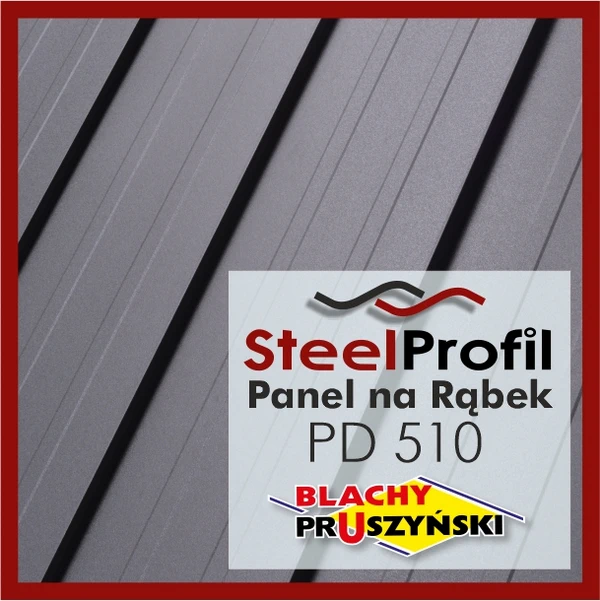
- Double standing seam: the adjoining strip edges are folded into a double seam. Strips may be prepared before delivery or formed with suitable equipment on site; final joint formation remains part of the specified installation.
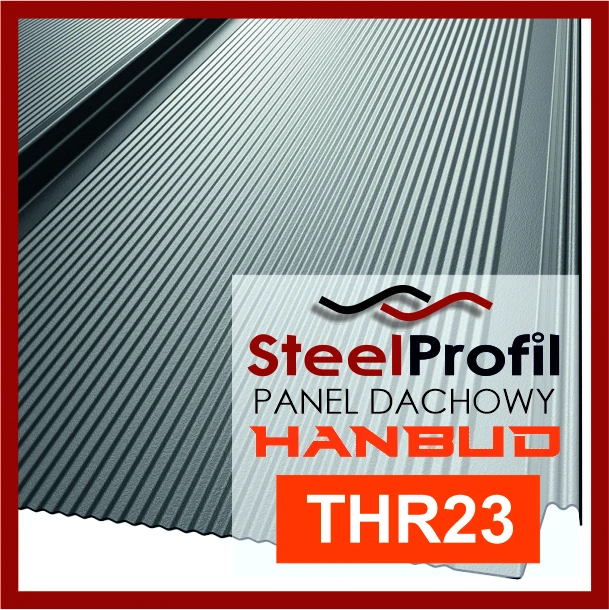
- Click or snap-lock panels: a proprietary edge profile locks into the adjoining panel. Its detailing and permitted use must follow that product’s instructions.
Metal choices
- Aluminium: a relatively light option with its own movement, fixing and finish requirements.
- Copper: a distinctive surface and material choice, with cost and compatible detailing to consider.
- Steel: commonly supplied with a metallic protective layer and, for many products, an organic coating.
- Titanium-zinc: another metal system requiring its specified substrate, ventilation and installation details.
Prices and service life vary; the metal name alone does not establish a universal ranking. Some strips include shallow stiffening features. These may influence surface appearance, but cannot guarantee that all visible waviness or thermal movement disappears.

Check the complete specification before ordering
Compare the actual metal, thickness, finish, seam system and accessories against the budget. A traditional folded steel roof is not necessarily cheaper than every click panel once substrate and labour are included.
Confirm how the surface and cut edges are protected and which exposure the product suits. Similar-looking sheets may have different coatings and warranty terms.
The system instructions determine whether battens, continuous boarding, an appropriate board substrate or another arrangement is required. Do not assume that every standing-seam product can use the same support. Competent installation is essential and may also be a condition of the warranty. Agree the roof details before the material is ordered.