


At a glance
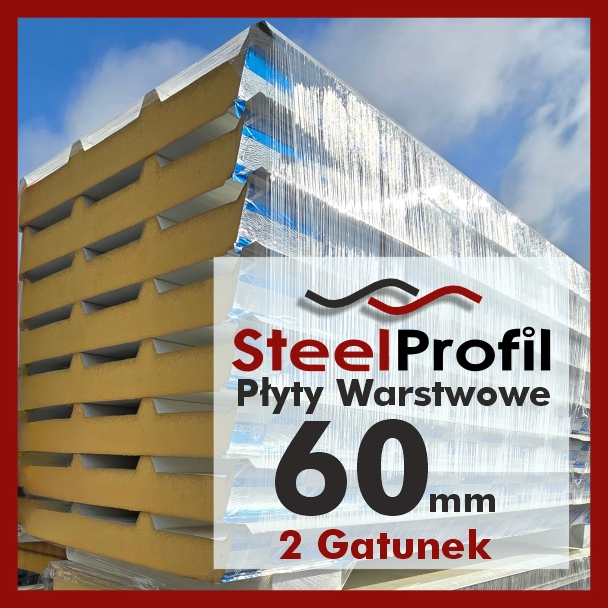
A roof sandwich panel combines external and internal facings with an insulating core in one building product. It can help enclose a roof quickly and provide useful thermal performance when correctly selected and installed. Resistance to sunlight, wind, rain and snow depends on the particular panel and complete roof system. This guide looks at applications, potential operating benefits, appearance and environmental considerations. It does not promise protection in every weather event, automatic energy savings of a fixed amount or a maintenance-free roof simply because a sandwich panel is used.
Possible building applications
Residential buildings
Roof panels can be considered for suitable residential designs, including houses or larger developments. The chosen assembly must meet the project’s appearance, structural, thermal, fire and acoustic requirements; it is not automatically interchangeable with every domestic roof system.
Industrial buildings
Production halls, warehouses and distribution buildings are common applications where large panels and integrated insulation can be useful. The profile, supports and fixings must be selected for the actual loads.
Public buildings
Schools, offices and recreation facilities can also use suitable panel systems. Requirements for interior acoustics need a specific assessment. A standard panel is not automatically a sound-absorbing acoustic panel.
GET A QUOTE FOR PANELS!
Protection, running costs and appearance
A roof panel uses facings, a core and joints designed to work together. It should not be described generically as polyurethane foam combined with tile-effect roofing sheet; roof panels differ in their core and facing geometry.
Appropriate protective finishes and details help the roof withstand its environment. Thermal insulation can reduce heat transfer compared with an inadequately insulated assembly, but the building’s actual heating and cooling costs depend on more than the panel alone.
Colours and surface profiles provide design choice. Compare available finishes with their exposure and maintenance requirements. Durable construction can reduce repair needs, but inspections, cleaning and attention to damage remain part of roof ownership.
Energy and end-of-life considerations
Suitable thermal insulation can reduce the energy needed to heat or cool a building. The resulting emissions benefit depends on the complete building and energy supply; it should not be expressed as a fixed reduction without a calculation.
Metal facings and cores have different end-of-life routes. Check what can actually be recovered, separated or recycled locally instead of assuming that every complete bonded panel enters a straightforward recycling process. Useful service life, careful ordering and minimising damage also matter to resource use.

Discuss the right roof panel with SteelProfil
Ask about the available sizes, colours, core types and supply options for your project. A useful quotation identifies the panel rather than relying on a general promise of the highest quality.
SteelProfil offers assistance with the range and technical information. Provide the intended use and dimensions, then confirm availability, delivery and the applicable documentation. Competitive pricing should be assessed for the complete order, including necessary accessories and installation.
A roof sandwich panel can combine efficient enclosure with insulation and a consistent finish. Its value comes from a suitable specification and competent execution, not an unconditional guarantee that every panel will suit every roof.